Mason Jar Breakfast

Not Your Grandma's Mason Jar Anymore!

  • Home
  • Recipes
    • Mason Jar Breakfast
    • Mason Jar Lunch
    • Mason Jar Dinner
    • Mason Jar Dessert
  • Crafts
  • Décor
  • Gifts
  • Beauty
  • About
  • Shop
  • Others
    • Auto
    • Business
    • Fashion
    • Food & Beverage
    • Health
    • Home Improvement
    • Immigration & Investment
    • Lifestyle
    • SEO Digital
    • Tech
    • Travel

Top Trends in Specialty Grains for 2025 and Beyond

Food & Beverage Leave a comment

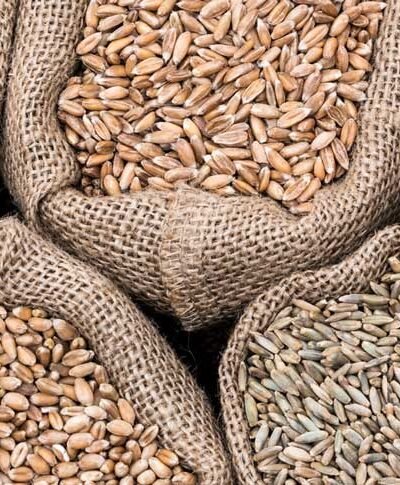
As consumers continue to seek healthier, more sustainable, and more diverse dietary options, specialty grains are surging into the spotlight. These grains—ranging from ancient varieties like farro and teff to regionally prized cultivars like heirloom barley and purple corn—are more than just a health food trend. They’re reshaping how the food industry thinks about nutrition, biodiversity, and flavor.

As we look ahead to 2025 and beyond, here are the top specialty grains trends redefining the landscape for producers, food manufacturers, retailers, and health-conscious consumers alike.

  1. Resurgence of Ancient Grains

Ancient grains like quinoa, millet, amaranth, teff, and farro have gained mainstream traction in the past decade. But by 2025, these grains will evolve from niche products to kitchen staples.

Why the Surge?

  • Nutritional Superiority: Ancient grains tend to be richer in protein, fiber, and micronutrients than refined grains.
  • Functional Versatility: They are suitable for a wide range of products, from high-protein pasta to breakfast cereals and baked goods.
  • Cultural Heritage: Their roots in indigenous and traditional food systems align with growing consumer interest in global cuisines.

What’s New?

Expect to see more hybrid products—like ancient grain granola clusters, teff-based energy bars, and sprouted quinoa flour—that highlight both taste and wellness benefits.

  1. Climate-Resilient Crops for a Changing World

Climate change is forcing farmers and researchers to rethink crop viability. Specialty grains, particularly those that are drought-resistant or thrive in marginal soils, are gaining favor.

Noteworthy Trends:

  • Sorghum and Millet: Both grains are naturally drought-tolerant and require less water than wheat or corn.
  • Kernza (Perennial Wheatgrass): This grain has deep roots that help restore soil health and sequester carbon.
  • Indigenous Grains: Rediscovering crops like fonio (West Africa) and Job’s tears (Asia) supports climate adaptation and food security.

These grains are not only helping farmers adjust to harsher conditions but also aligning with eco-conscious consumers looking for foods with a lower environmental impact.

  1. Functional Grains for Gut Health and Immunity

The post-pandemic era has fueled interest in foods that support immune function, digestive health, and overall well-being. Enter functional specialty grains.

What Makes Them Functional?

  • High Fiber: Grains like barley and rye contain beta-glucans that feed gut bacteria.
  • Prebiotics and Polyphenols: Buckwheat and colored varieties of rice and corn deliver antioxidant and anti-inflammatory benefits.
  • Gluten-Free Appeal: Teff, sorghum, and fonio offer grain alternatives for gluten-sensitive individuals.

Manufacturers are responding with probiotic grain blends, fiber-enriched snack bars, and functional breakfast bowls, all anchored around the latest specialty grain trends.

  1. Regenerative Agriculture and Transparent Sourcing

Consumers are becoming more aware of how food is grown and demanding more transparency in the supply chain. Specialty grains, particularly those grown using regenerative practices, are gaining cachet.

What’s Driving This Trend?

  • Soil Health Awareness: Grains like buckwheat and spelt are now promoted for their role in cover cropping and soil regeneration.
  • Traceability Tools: QR codes on packaging that reveal farm origin, growing practices, and harvest dates.
  • Biodiversity Preservation: Seed-saving and heritage grain programs are spotlighting rare cultivars.

Brands that showcase regenerative agriculture and ethical sourcing in their marketing will likely find favor with Gen Z and Millennial consumers.

  1. Alternative Flours and Baking Innovation

The surge in home baking during COVID-19 sparked curiosity about non-traditional flours. That momentum has not waned, especially as more people seek plant-based, allergen-friendly options.

Specialty Flours on the Rise:

  • Teff Flour: Popular for its nutty flavor and iron content.
  • Amaranth Flour: Used in gluten-free baked goods and as a thickening agent.
  • Purple Corn Flour: Rich in anthocyanins and used in visually stunning desserts and pastas.

These flours are also making waves in the food service industry, from pizzerias using heritage grain crusts to bakeries offering einkorn sourdough.

  1. Culinary Fusion and Gourmet Applications

Specialty grains are no longer confined to health food aisles. They’re now gracing the menus of top restaurants and gourmet brands.

Creative Uses:

  • Farro Risotto: A hearty, nutty spin on a classic Italian dish.
  • Freekeh Tabbouleh: A smoky twist on the Middle Eastern staple.
  • Sorghum Popcorn: A mini-pop grain snack with natural sweetness.

Chefs are tapping specialty grains to provide unique textures and flavors that elevate traditional dishes and even reinvent them.

  1. Expansion of Organic and Non-GMO Labels

The demand for organic and non-GMO products continues to grow, and specialty grains are following suit.

Market Signals:

  • Organic Millet and Sorghum: Increased availability in both raw and processed forms.
  • GMO-Free Heirloom Varieties: Special attention on preserving genetic purity and natural diversity.

Retailers are capitalizing on this trend with private-label organic specialty grain lines, while farmers are shifting acreage toward certified production.

  1. Innovation in Plant-Based and Meat Alternatives

Plant-based innovation is spilling over into grain-based proteins and textures, and specialty grains are stepping in as functional bases.

Emerging Products:

  • Grain-Based Burgers: Made with millet, quinoa, and lentils for high protein and texture.
  • Grain-Meat Hybrids: Blended meat and grain patties that reduce carbon footprint.
  • Grain-Based Dairy: Millet and sorghum milk are emerging as low-allergen alternatives to oat and almond.

With functionality and sustainability at the forefront, grains are helping power the next wave of plant-forward innovation.

  1. Direct-to-Consumer (DTC) and Artisan Grain Brands

The rise of boutique grain brands is reshaping how consumers buy and learn about specialty grains. Many DTC companies emphasize storytelling, heritage, and hands-on relationships with growers.

Features of Artisan Grain Brands:

  • Milling on Demand: Fresh-milled flours for optimal taste and nutrition.
  • Single-Origin Packaging: Highlighting specific farms or regions.
  • Recipe Integration: Cooking guides, chef collaborations, and online classes.

These brands are building communities around quality and connection, hallmarks of the most promising specialty grains trends.

  1. Globalization of Local Grains

Finally, as global trade and culinary curiosity expand, local specialty grains are finding international audiences.

Examples:

  • Kañiwa from the Andes: A smaller cousin to quinoa with a higher protein content.
  • Black Barley from Ethiopia: Nutty and chewy, perfect for salads and grain bowls.
  • Red Rice from Bhutan: Rich in flavonoids and cultural significance.

As chefs and retailers introduce these grains to global audiences, they become ambassadors of food heritage, flavor diversity, and sustainable farming practices.

Final Thoughts

The rise of specialty grains is far more than a fleeting food fad. It is a robust, multidimensional shift that encompasses health, sustainability, culture, and innovation. The specialty grains trends for 2025 and beyond point to a future where grains are more than background carbs—they’re the stars of the plate.

From ancient grains in health foods to hyper-local cultivars in fine dining, the specialty grain sector is poised for significant expansion. Producers, retailers, and consumers alike have an opportunity to explore new frontiers—flavorful, resilient, and rooted in the soil of global culinary traditions.


Related Posts

  • Beauty Trends in Body Waxing For 2025

    Body waxing is no longer just a routine beauty treatment; it has evolved into an…

  • Top 10 Adventure Treks in Nepal on 2025

    The route to adventure exists for people willing to embark on this quest. As 2025…

  • 5-Top-Ways-to-Get-Involved-in-the-Space-Industry-in-2025
    5 Top Ways to Get Involved in the Space Industry in 2025

    The space industry has become one of the most dynamic and rapidly growing sectors in…

  • Krowd-Darden-2025
    What is Krowd Darden 2025

    Krowd Darden is an unconventional digital solution exclusively for Darden Restaurants’ employee management and motivation.…

Filed Under: Food & Beverage

Leave a Reply Cancel reply

Your email address will not be published. Required fields are marked *

Hi, I'm Yetta. I love having dance parties in the kitchen with my family, traveling, and Mason jar creations.

Follow on Facebook Follow on Pinterest Follow on Twitter Follow on Instagram

Recent Posts

Rice Bowls and Better Eating
Effective Approaches for Minimizing the Appearance of Cellulite
Avoiding Common Mistakes During Estate Administration
Women In Recovery Often Face Different Pressures, Here Are Five That Shape The Journey
What Are Some Menu Staples of American Grills?
The Rider’s Roadmap: Planning Motorcycle Transport for Your Next Big Move For many riders, a motorcycle is more than just a vehicle. It represents freedom, independence, and countless miles of adventure. When it comes time to move to a new city or region, however, transporting a motorcycle requires careful planning. Whether relocating for work, education, or a lifestyle change, ensuring your bike arrives safely at its new destination is an important part of the process. Planning motorcycle transport properly helps protect your bike, reduce stress during the move, and ensure that once you arrive, your motorcycle is ready to hit the road again. Decide Whether to Ride or Ship Your Motorcycle The first step in planning motorcycle transport is deciding whether to ride the bike to your new location or arrange transport. While riding may seem like the most natural option, long-distance journeys can sometimes be impractical. Factors such as the distance, time constraints, weather conditions, and the amount of luggage you need to carry can all influence this decision. For riders relocating across the country or managing a busy move, shipping the motorcycle can often be the safer and more convenient choice. Transporting the bike separately allows riders to travel more comfortably while ensuring the motorcycle is handled with care. Explore Different Motorcycle Transport Options Motorcycles can be transported using several different methods. Each option has advantages depending on your situation. One option is transporting the motorcycle yourself using a van or trailer. This approach provides control over the process but requires the correct equipment and knowledge of how to secure the bike safely. Another option is using professional motorcycle transport services. These companies specialise in vehicle delivery and typically use vans or trailers designed specifically for motorcycles. Many riders prefer this approach because it reduces the risks associated with loading, securing, and transporting the bike themselves. Prepare Your Motorcycle for Transport Before your motorcycle is collected or loaded for transport, it is important to prepare it properly. Cleaning the bike is a good first step, as it makes it easier to identify any existing scratches or damage. It is also wise to remove any loose accessories such as tank bags, phone mounts, or detachable luggage. These items could move during transport and cause unnecessary damage. Taking photographs of the motorcycle before transport is also recommended. Documenting the bike’s condition provides reassurance and can be useful if any issues arise during delivery. Ensure the Motorcycle Is Properly Secured If you are transporting the motorcycle yourself, securing it correctly is essential. Motorcycles should be loaded carefully using a ramp and positioned in a stable location within the vehicle or trailer. Strong ratchet straps should then be used to secure the bike to fixed anchor points. Wheel chocks can help stabilise the front wheel and prevent movement during transit. Proper securing prevents the motorcycle from shifting or tipping while the transport vehicle is in motion. Choose a Reliable Transport Service When choosing a professional transport provider, reliability and experience should be key considerations. Motorcycle transport requires specialised handling, so it is important to work with companies that understand how to move bikes safely. Reading customer reviews, comparing quotes, and confirming insurance coverage can help ensure you select a trustworthy service. For riders relocating within the UK, services offering Cheshire motorcycle shipping can help connect owners with experienced transport providers who specialise in moving motorcycles securely between locations. Plan Delivery Logistics in Advance Motorcycle transport should be coordinated with the overall moving schedule. Planning delivery timing ensures that someone is available to receive the motorcycle once it arrives at the new location. It is also helpful to confirm whether the transport company offers door-to-door delivery or requires collection from a depot. Ensuring the delivery location is accessible for transport vehicles helps prevent delays. Careful planning allows the transport process to fit smoothly into the rest of your relocation. Protect Your Motorcycle Investment Motorcycles often represent both a financial investment and a personal passion. Taking steps to protect the bike during a move helps ensure it arrives in the same condition it left. This includes choosing a reputable transport service, preparing the motorcycle carefully, and confirming that the transport company provides insurance coverage during transit. These precautions help minimise risks and provide peace of mind throughout the moving process. Final Thoughts Relocating to a new place is an exciting chapter, and bringing your motorcycle along ensures the adventures can continue wherever you go. By planning transport carefully, riders can protect their bikes and avoid unnecessary complications during the move. From preparing the motorcycle to selecting the right transport provider, each step plays a role in ensuring a smooth transition. With the right planning in place, your motorcycle will be waiting for you at your new destination, ready for the next journey ahead.

Recent Posts

  • Rice Bowls and Better Eating: Why Balanced Bowl Meals Fit Modern Lifestyles
  • Effective Approaches for Minimizing the Appearance of Cellulite
  • Avoiding Common Mistakes During Estate Administration
  • Women In Recovery Often Face Different Pressures, Here Are Five That Shape The Journey
  • What Are Some Menu Staples of American Grills?

categories

Copyright © 2026 · All rights reserved. Disclosure Policy. Contact Us: Kelli@masonjarbreakfast.com