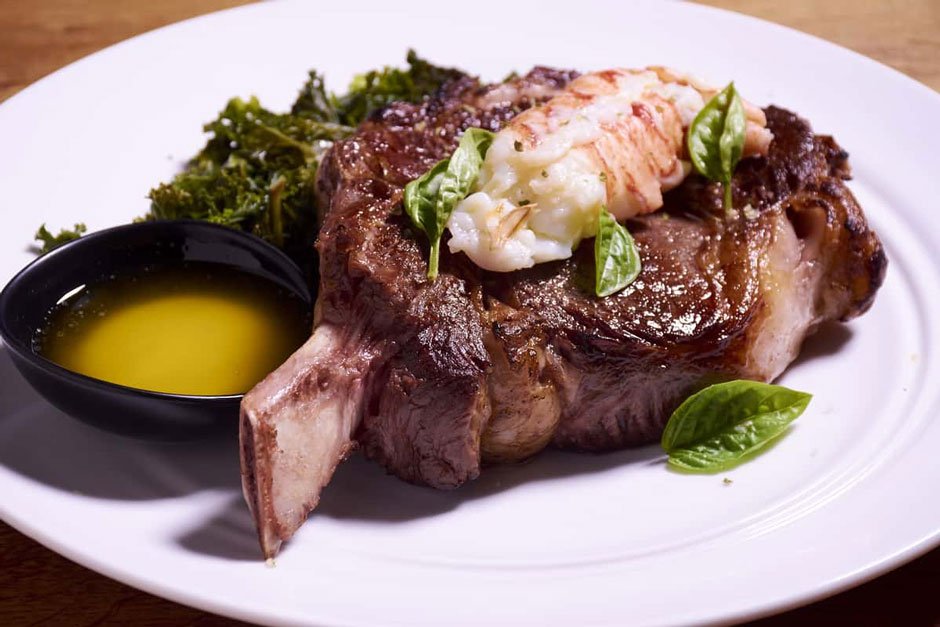
 Ribeye steak, a cut revered for its rich marbling and deep beefy flavor—especially when sourced from ButcherBox Canada – Premium Meat Subscription—demands precision and care in its preparation. While it may seem straightforward, there is an art to cooking a ribeye to perfection. A few missteps can mean the difference between a mouthwatering, tender bite and a tough, overcooked disappointment. To ensure that every steak reaches its full potential, it is essential to follow key do’s and avoid common pitfalls. Here’s a guide to mastering ribeye, ensuring that every bite is bursting with flavor.
Selecting the Right Ribeye
The foundation of an exceptional ribeye steak begins with selecting the right cut. A high-quality ribeye should have abundant marbling—those intricate white streaks of fat within the meat—which ensures juiciness and flavor. Prime and Wagyu ribeye cuts, known for their superior marbling, offer the most luxurious texture and depth of taste. Opting for dry-aged ribeye can also enhance the steak’s natural umami by concentrating the beef’s essence through controlled aging.
Thickness is another crucial factor. A ribeye that is at least 1.5 inches thick allows for better control over doneness, providing a perfectly seared crust while maintaining a succulent interior. Thinner steaks tend to cook too quickly, increasing the risk of overcooking. Bone-in ribeye, often referred to as a “cowboy cut” or “tomahawk,” can impart additional richness due to the marrow and connective tissue influencing the flavor as it cooks.
When purchasing ribeye, sourcing from a reputable supplier is key. For those seeking the pinnacle of premium beef, high-end online retailers provide access to top-tier cuts, ensuring authenticity and quality. Companies specializing in Wagyu ribeye offer some of the best selections available, making it easier for steak enthusiasts to bring restaurant-level quality into their own kitchens.
Preparing the Ribeye for Cooking
Preparation is just as critical as cooking when it comes to achieving optimal flavor. Before cooking, ribeye should be brought to room temperature, which allows for even cooking and prevents the steak from seizing up on high heat. Cold steaks placed directly on a hot grill or pan tend to cook unevenly, resulting in an overcooked exterior while the inside remains undercooked.
Seasoning is another fundamental step. Simplicity is key—coarse salt and freshly ground black pepper are often all that’s needed to enhance the steak’s natural flavors. However, adding garlic powder, smoked paprika, or a touch of rosemary can elevate the experience. It’s essential to season the ribeye generously and let it rest for at least 40 minutes before cooking, allowing the salt to penetrate and tenderize the meat.
For those seeking the highest quality ribeye, sourcing from premium e-commerce platforms specializing in Wagyu can make a significant difference in texture and flavor. Online retailers such as Destination Wagyu provide access to exquisite, marbled cuts that guarantee an unmatched culinary experience. Selecting a well-marbled ribeye from such a trusted source sets the stage for an unforgettable meal.
The Importance of Proper Searing
Searing is one of the most vital techniques in ribeye preparation, as it creates the signature crust that enhances both texture and taste. To achieve a perfect sear, preheating the pan or grill to a high temperature is essential. A cast-iron skillet or a heavy-duty grill provides the best surface for achieving an even, caramelized crust. Using a high smoke-point oil, such as avocado or grapeseed oil, helps prevent burning while still allowing for deep browning.
Avoid flipping the steak too soon. Allow it to sear undisturbed for about 3-4 minutes on each side to develop a golden-brown crust. Continually moving the steak or pressing it down with a spatula will cause it to lose valuable juices, diminishing the overall experience. Instead, patience is key—letting the crust form naturally ensures that the meat retains its moisture and flavor.
A common mistake is overcrowding the pan or grill. Cooking multiple steaks at once can cause the temperature to drop, leading to steaming rather than searing. For optimal results, cook one or two steaks at a time, ensuring each piece has enough space for the Maillard reaction to occur properly.
Managing Heat for the Perfect Doneness
Cooking ribeye requires precise heat management to achieve the desired doneness. A combination of high heat for searing and lower heat for internal cooking yields the best results. Reverse-searing, where the steak is cooked at a low temperature first and then finished with a sear, is an excellent method for achieving an even cook throughout the meat.
Using a meat thermometer ensures precision. For a rare ribeye, aim for an internal temperature of 120-125°F, medium-rare at 130-135°F, medium at 140-145°F, and medium-well at 150-155°F. Exceeding 160°F risks drying out the meat, stripping it of its prized tenderness. Because carryover cooking continues even after removing the steak from heat, always factor in a 5°F increase during resting.
Resting the steak is non-negotiable. Allowing the ribeye to sit for at least 5-10 minutes after cooking ensures that the juices redistribute, keeping the meat succulent. Cutting into a steak too soon results in valuable juices escaping, leading to a drier eating experience.
Choosing the Right Cooking Method
Different cooking methods yield varying textures and flavors, making the choice an essential factor in preparing ribeye. Grilling imparts a smoky char, adding depth to the beef’s natural richness. A two-zone fire setup—one side high heat for searing, the other low heat for finishing—ensures controlled cooking and prevents burning.
Pan-searing in a cast-iron skillet offers superior crust development. Basting with butter, garlic, and fresh herbs in the final minutes of cooking enhances the steak’s richness. This technique, often seen in high-end steakhouses, brings out complex flavors while keeping the ribeye exceptionally tender.
For thick cuts, sous vide cooking provides unbeatable precision. By slowly cooking the ribeye in a vacuum-sealed bag at a controlled temperature, it ensures edge-to-edge perfection. A final sear after sous vide results in an impeccable crust while maintaining an evenly cooked interior.
Enhancing Flavor with Complementary Pairings
Pairing ribeye with the right accompaniments elevates the dining experience. Classic side dishes such as garlic mashed potatoes, roasted Brussels sprouts, or creamed spinach complement the steak’s richness. The goal is to balance the robust beefy flavors with textures and flavors that enhance rather than overpower.
Sauces like chimichurri, peppercorn cream, or a simple red wine reduction provide additional layers of complexity. These condiments add acidity or umami, enhancing the overall flavor profile of the ribeye. However, it’s essential to use them sparingly to allow the steak’s natural taste to shine.
Wine pairings also play a role in maximizing enjoyment. Full-bodied red wines like Cabernet Sauvignon, Malbec, or Syrah complement ribeye’s richness, cutting through its fat while enhancing its savory notes. Choosing the right beverage pairing transforms a well-cooked ribeye into a restaurant-worthy experience.
Final Thoughts
Cooking ribeye to perfection requires a careful balance of technique, patience, and quality ingredients. Selecting a well-marbled cut, properly seasoning, searing, and managing heat all contribute to achieving the ideal flavor and texture. Avoiding common mistakes, such as improper resting or overcooking, ensures that the steak remains juicy and tender. By following these essential do’s and don’ts, anyone can master the art of cooking ribeye, bringing out its full potential for an unforgettable dining experience.



Leave a Reply