
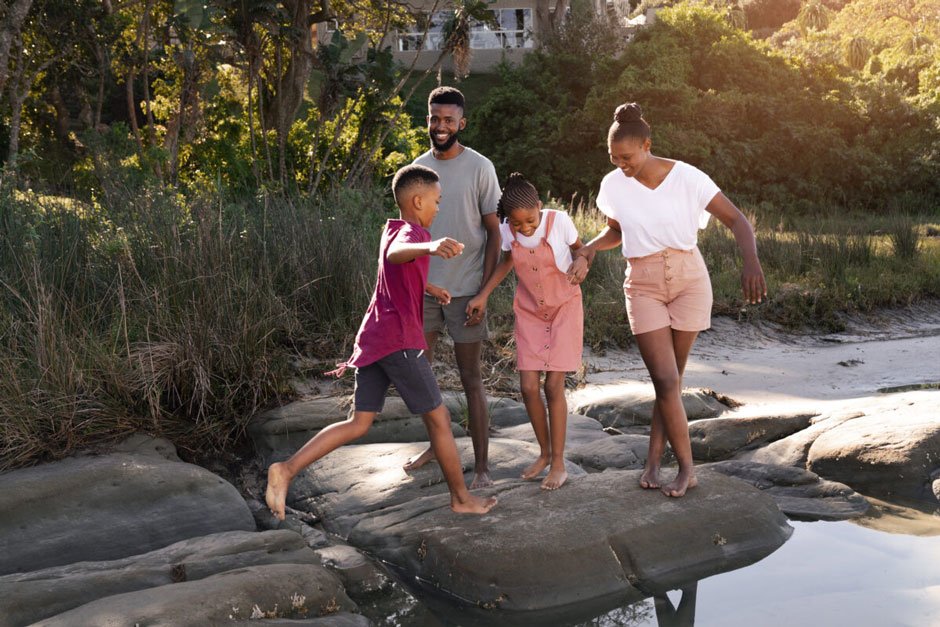
 Many family holidays end with a peculiar feeling: a sense of exhaustion that suggests more work was done than rest was had. The classic trip, often a blur of checklists and timetables, can leave everyone feeling frazzled. Thankfully, there’s a different way to think about it. The concept of slow travel flips the script, focusing on the quality of time spent in one location rather than the quantity of places visited. It’s a shift in focus from ticking boxes to making real connections. For any parent or foster carer, adopting this mindset can be the key to a trip that actually feels like a break and leaves everyone with something special.
Making Room for Connection
When the rush to get to the next thing disappears, it leaves room for something far more important to happen. Unhurried chats over breakfast, silly jokes shared while wandering without a map, and the simple pleasure of watching the world go by together become the main events. For a foster carer looking to build a secure attachment, this kind of low-pressure time can be invaluable. Getting away from the usual grind and sharing a low-key adventure creates the ideal setting for trust to build. A child fostered with an agency like Orange Grove Foster Care starts to feel truly safe, understood, and part of things during those spontaneous, quiet moments.
A Calmer Pace for Everyone
While the whirlwind of a packed holiday can be draining for grown-ups, it’s often downright exhausting for kids. Youngsters often find comfort in routine, and the constant disruption of moving, packing, and adjusting to new surroundings can easily lead to sensory overload. Slow travel, by its very nature, calms everything down. Staying in one spot for longer means less upheaval. There are fewer car journeys, fewer suitcases to live out of, and no frantic morning dashes. This allows a family to find a gentle rhythm, helping children feel more settled and keeping the exhaustion-fuelled meltdowns at bay.
Discovering a Place Authentically
A whirlwind tour of a city’s top ten sights gives you a postcard view, but does it give you a feel for the place? Slow travel invites you to go beyond the tourist trail. It’s about finding the best local playground, becoming a familiar face at a neighbourhood café, or attempting to cook a meal with ingredients from the village market. These activities offer a much richer sense of a place than simply snapping a photo of a famous monument. Children get a real feel for a different way of life, and the whole family collects memories grounded in genuine, everyday interactions.
Letting Children Lead the Adventure
Some of the best holiday memories are the ones that were never on the plan. A rigid schedule, however, leaves little room for these spontaneous joys to happen. When you slow the pace, you hand the reins over to your children’s curiosity. Their interests can shape the day. Perhaps that means spending a whole afternoon fascinated by rock pools, taking a detour down a cobbled lane just because it looks interesting, or returning to the same park each day to perfect a climbing frame route. Following their lead makes the trip more exciting for them and shows them that their ideas and interests have value.
Choosing a slower holiday isn’t about seeing fewer things; it’s about feeling more. When you stop trying to do it all, you make room for the good stuff: real connection, surprising discoveries, and actual rest.



Leave a Reply