Mason Jar Breakfast

Not Your Grandma's Mason Jar Anymore!

  • Home
  • Recipes
    • Mason Jar Breakfast
    • Mason Jar Lunch
    • Mason Jar Dinner
    • Mason Jar Dessert
  • Crafts
  • Décor
  • Gifts
  • Beauty
  • About
  • Shop
  • Others
    • Auto
    • Business
    • Fashion
    • Food & Beverage
    • Health
    • Home Improvement
    • Immigration & Investment
    • Lifestyle
    • SEO Digital
    • Tech
    • Travel
Teaching Children the Saints with Stories and Symbols

Teaching Children the Saints with Stories and Symbols

Lifestyle Leave a comment

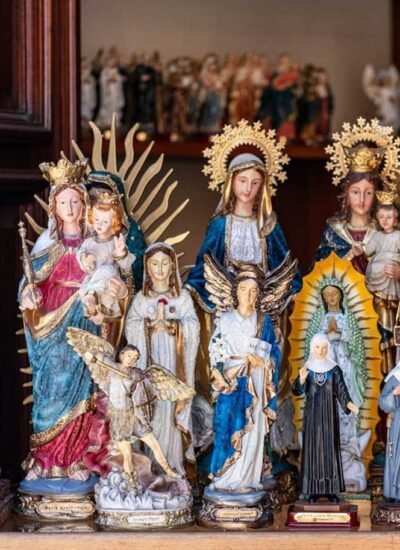
Introducing children to the lives of the saints is a meaningful way to pass on faith, values, and a sense of belonging to the Church’s long history. Saints are not distant, idealized figures; they were people who lived real lives, faced struggles, and responded to God with courage and love. When their stories are presented through engaging narratives and rich symbols, children can more easily understand and remember their examples. Teaching the saints in this way helps young learners see holiness as something approachable and relevant to their own lives.
Teaching Children the Saints with Stories and Symbols

Why Stories Matter in Teaching the Saints

Children are naturally drawn to stories. Long before they can grasp abstract theological concepts, they understand characters, conflicts, and resolutions. Stories about the saints give children a narrative framework for understanding virtues like kindness, perseverance, obedience, and compassion. Rather than simply telling a child to be patient or generous, a story shows what patience or generosity looks like in practice.

Saint stories also humanize faith. When children hear about Saint Francis of Assisi’s love for creation or Saint Thérèse of Lisieux’s small, hidden acts of love, they begin to see that holiness can be lived in everyday ways. Stories provide an emotional connection, allowing children to admire the saints, ask questions, and even imagine how they might act in similar situations. This narrative approach makes learning about the saints less like memorization and more like relationship-building.

The Power of Symbols and Visual Learning

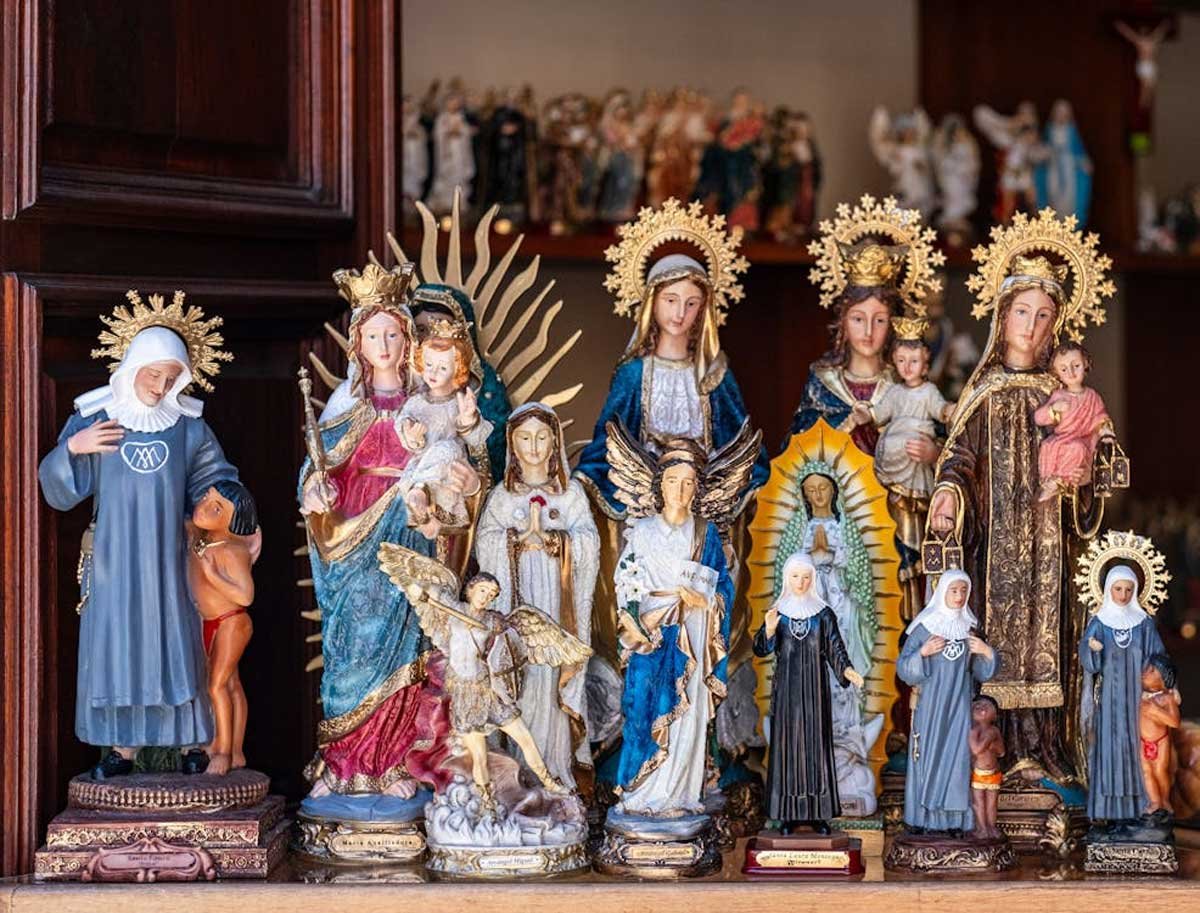
Symbols play a crucial role in how children learn and remember information. Many saints are traditionally associated with specific symbols—keys, flowers, animals, or objects—that represent their lives or virtues. These symbols serve as visual shorthand, helping children recall important details long after the story has ended.

For visual learners, symbols reinforce memory and understanding. A palm branch can remind a child of martyrdom, while a lily may call to mind purity or trust in God. Using images, holy cards, statues, or illustrated books allows children to connect what they hear with what they see. Over time, these symbols become familiar points of reference, making the saints feel recognizable and close rather than distant historical figures.

Making the Saints Relatable to Daily Life

One of the most effective ways to teach children about the saints is to connect their stories and symbols to everyday experiences. When children see parallels between their own lives and those of the saints, the lessons become more meaningful. A child learning about a saint who showed kindness to the poor can be encouraged to look for small ways to help others at home or school.

Practical activities strengthen this connection. Drawing a saint with their symbol, acting out a short story, or celebrating a saint’s feast day with simple traditions helps children internalize what they have learned. Faith-based retailers such as The Catholic Company often offer age-appropriate books, artwork, and devotional items that incorporate both storytelling and symbolism, making it easier for families and educators to create immersive learning experiences. These tangible elements can support thoughtful conversations and reinforce spiritual lessons over time.

Using Saints to Teach Virtue and Identity

The saints provide powerful examples of virtue that children can aspire to without feeling overwhelmed. Each saint’s life highlights particular strengths—courage, humility, forgiveness, or faithfulness—that align well with moral formation. Teaching children to associate these virtues with specific saints and symbols gives them role models they can turn to throughout their spiritual growth.

Saints also help children develop a sense of Catholic identity. Learning that people from every culture, background, and period of history have found holiness shows children that faith is universal and enduring. As they grow familiar with the saints and their stories, children begin to see themselves as part of a larger community that reaches across time and place. This sense of belonging can be especially important in helping young believers feel confident and grounded in their faith.

Encouraging Ongoing Curiosity and Spiritual Growth

Teaching the saints through stories and symbols is not a one-time lesson but an ongoing journey. As children mature, their understanding can deepen, and they may return to familiar saints with new questions and insights. Encouraging curiosity—by inviting children to choose a favorite saint, ask why a symbol is important, or reflect on how a saint handled difficulty—keeps learning active and personal.

Parents and educators can foster this growth by revisiting saint stories throughout the liturgical year. Connecting saints to seasons, feast days, and family traditions reinforces continuity and meaning. Over time, children learn that the saints are companions in faith, offering guidance, inspiration, and intercession as they grow older.

Conclusion

Teaching children about the saints through stories and symbols brings faith to life in a way that is accessible, memorable, and deeply formative. Stories capture attention; symbols strengthen understanding, and both together help children see holiness as something real and attainable. By presenting the saints as relatable models of virtue and faith, parents and educators can nurture spiritual curiosity and a lasting connection to the Church’s rich tradition. In doing so, children learn not only who the saints were, but who they themselves are called to become.


Related Posts

  • Teaching Children the History Behind Christmas Celebrations
    Teaching Children the History Behind Christmas Celebrations

    Christmas morning arrives with wrapped presents and excited children, but beneath all that tinsel and…

  • 7 Essential Tips for Incorporating Learning for Hearing Impaired Children

    Helping children with hearing impairments learn is a meaningful journey that requires patience, creativity, and…

  • Photo from Pexels Getting little ones involved in sports early can shape their entire approach to fitness and activity for years to come. Think of those first five years as a golden window; kids are soaking up everything, developing coordination at lightning speed, and building habits that'll stick with them. The goal here isn't creating tiny athletes or pushing for perfection. Instead, it's about letting children discover how fun movement can be while they naturally strengthen their bodies and minds. When toddlers and preschoolers explore sports through play, they're learning way more than just physical skills. They're figuring out how to interact with other kids, building confidence each time they try something new, and developing a genuine love for being active. The trick is choosing activities that feel like games rather than training sessions, where safety comes first and every child gets to shine at their own pace. Swimming and Water Activities There's something magical about watching young children discover their abilities in water. Swimming tops the list for early childhood sports because it delivers so much in one package, physical development, safety skills, and pure joy all rolled into one splash-filled experience. Parents can start introducing babies to water as early as six months, beginning with gentle familiarization sessions that build comfort and trust. As children grow, they naturally progress into more structured lessons that teach actual swimming techniques. Soccer for Little Feet Soccer has this wonderful simplicity that makes it perfect for tiny beginners. Programs designed for the under-five crowd aren't really about understanding offside rules or winning tournaments, they're about the thrill of kicking a ball and running around with friends. Children naturally develop their gross motor skills as they figure out how to move that ball where they want it to go, all while improving balance through quick direction changes. The beauty of these early soccer programs lies in their ability to disguise physical development as pure play. Gymnastics and Tumbling Step into any toddler gymnastics class, and you'll find organized chaos in the best possible way. These programs create safe spaces where children can flip, roll, jump, and explore what their bodies can do without parents having heart attacks over safety. The equipment is specifically designed for little ones, think low beams they can't fall far from, mountains of soft mats, and colorful foam shapes that spark imagination while building skills. What makes gymnastics so valuable at this age is how it develops the fundamental movements that'll support literally every other physical activity they'll ever try. Toddler Dance and Movement Classes Dance gives young children permission to express themselves physically in ways that other sports might not. These classes blend structure with freedom, teaching basic techniques while encouraging kids to interpret music through their own unique movements. There's something special about watching a three-year-old discover they can move their body in time with a beat. Through dance, children naturally enhance their coordination, balance, and rhythm without it feeling like work. Golf Fundamentals for Young Learners Golf might seem like an unusual choice for preschoolers, but hear this out, adapted programs can introduce foundational concepts in surprisingly fun ways. These aren't traditional golf lessons where kids spend hours perfecting their stance. Instead, they're playful experiences that build hand-eye coordination and teach patience through games with oversized, brightly colored balls and pint-sized equipment. Children learn how to grip a club that actually fits their hands, practice swinging at targets that don't move (which is way easier than hitting something coming at you), and experience that satisfying moment when they finally make solid contact. When introducing young children to golf, parents often find that a properly sized toddler golf bag helps children carry their lightweight equipment comfortably while building independence and ownership of their sporting experience. The individual nature of golf can actually be a relief for some children who find team dynamics overwhelming. Many programs for this age group get creative with challenges, hitting balls into buckets at different distances or navigating mini obstacle courses on putting greens. Working on golf requires focus and persistence, qualities that strengthen even in these youngest players as they practice until they achieve what they're aiming for. Tennis and Racquet Sports Tennis has been reimagined for the preschool set in clever ways that make it totally accessible. Gone are the heavy racquets and lightning-fast balls that would frustrate tiny beginners. Instead, programs use feather-light racquets, soft foam balls that move in slow motion, and nets dropped to toddler height so kids can actually get the ball over them. These modifications aren't just about making things easier, they're about creating opportunities for success that build confidence and keep children engaged. Conclusion Starting sports before age five creates ripples that extend far beyond the playing field or pool. These early experiences shape how children view physical activity, whether they see it as something enjoyable or something to avoid. The sports that work best for this age group share common threads, they prioritize enjoyment over competition, adapt to developmental stages rather than forcing kids to meet adult standards, and create environments where every child can experience success. Parents know their children best and can tune into what sparks genuine interest versus what they think their child "should" do.
    5 Sports for Children Under 5

    Photo from Pexels Getting little ones involved in sports early can shape their entire approach…

  • What Is the Best Physical Therapy for Disabled Children
    What Is the Best Physical Therapy for Disabled Children

    Physical therapy is a cornerstone of care for children with disabilities, offering essential support for…

Filed Under: Lifestyle

Leave a Reply Cancel reply

Your email address will not be published. Required fields are marked *

Hi, I'm Yetta. I love having dance parties in the kitchen with my family, traveling, and Mason jar creations.

Follow on Facebook Follow on Pinterest Follow on Twitter Follow on Instagram

Recent Posts

Teaching Children the Saints with Stories and Symbols
Red Light Therapy for Dogs and Cats
image-1
Rachel Zoe Age, Birthday & Life Timeline
H from Steps Net Worth
free apps like calm — smartphone displaying meditation app interface with green plants and soft morning light

Recent Posts

  • Teaching Children the Saints with Stories and Symbols
  • Red Light Therapy for Dogs and Cats: What Pet Owners Need to Know Before Buying
  • Signs Your Samsung Appliance Needs Replacement Parts
  • Rachel Zoe Age, Birthday & Life Timeline: Everything About the Fashion Icon
  • H from Steps Net Worth: Ian Watkins’ Wealth, Career, and Life Beyond the Dancefloor

categories

Copyright © 2026 · All rights reserved. Disclosure Policy. Contact Us: Kelli@masonjarbreakfast.com