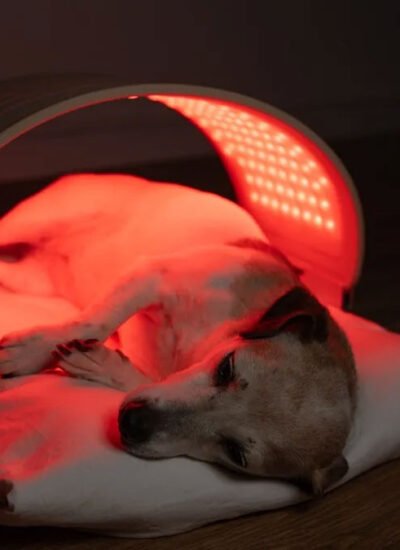
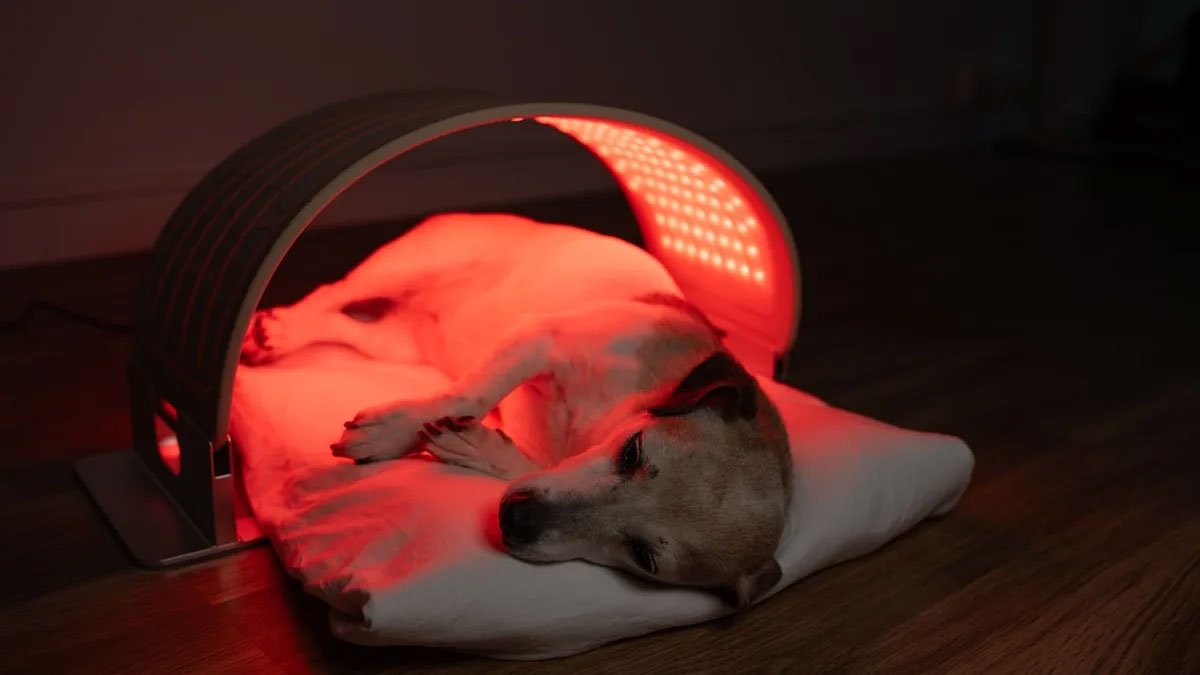
 If your dog has been slowing down on walks, or your cat has started avoiding the stairs, you’ve probably already gone down the rabbit hole of at-home pain relief options. Red light therapy devices have become one of the more talked-about tools in the pet wellness space — and for good reason. But with dozens of products now on the market, figuring out what’s legitimate versus what’s just clever marketing takes some digging.
Here’s what the research actually says, what to look for in a device, and what real pet owners should understand before spending money on one.
What Red Light Therapy Actually Does
Red light therapy — also called photobiomodulation or low-level laser therapy (LLLT) — works by delivering specific wavelengths of light into soft tissue. At the cellular level, this light is absorbed by mitochondria, which respond by producing more ATP (adenosine triphosphate), the energy currency your cells use to repair and function.
In practical terms, this translates to reduced inflammation, improved circulation to the treated area, and faster tissue repair. A 2019 review published in the Journal of Veterinary Science found meaningful evidence supporting photobiomodulation for managing musculoskeletal pain and wound healing in companion animals, noting it as a safe, non-invasive complement to conventional veterinary care.
It’s not a cure. It doesn’t replace veterinary diagnosis. But for chronic pain management — arthritis, post-surgical recovery, muscle soreness — the evidence is solid enough that many veterinary clinics now use professional-grade devices as part of their treatment protocols.
Why At-Home Devices Have Become So Popular
Veterinary photobiomodulation treatments typically run $30 to $75 per session, and most chronic conditions require ongoing sessions to maintain results. For a dog with arthritis, that adds up fast.
At-home devices bring the cost per session down dramatically over time. The appeal isn’t just financial — it’s also about consistency. Regular, frequent treatments tend to produce better outcomes than occasional clinic visits, and being able to treat your pet in a calm, familiar environment reduces stress for both of you.
The challenge is that not all consumer devices are built the same. Wavelength, power output, and treatment time all affect whether a device actually delivers therapeutic benefit or just produces light with no meaningful penetration depth.
What to Look for in a Pet Red Light Therapy Device
Before buying anything, these are the specs that actually matter:
Wavelength: Therapeutic red light falls between 630–700nm. Near-infrared light (800–900nm) penetrates deeper into tissue and is particularly useful for joint and muscle conditions. The most effective devices use both.
Power output (irradiance): This determines how much light energy reaches the tissue. Too low and you’re not delivering a therapeutic dose. Too high and you risk tissue damage. Consumer devices designed for pets should clearly disclose their mW/cm² output.
Treatment area coverage: Handheld devices require you to move them slowly across the target area. Larger treatment heads or multi-diode panels cover more surface area per session, which matters for larger dogs or broader conditions like hip dysplasia.
Ease of use on animals: This one gets underestimated. If the device is awkward to hold, requires two hands, or makes noise that startles your pet, you won’t use it consistently — and consistency is what drives results.
Medcovet is one of the more recognized names in the pet wellness device space, and their LumaSoothe 2 has been widely discussed among pet owners looking for a reliable at-home option. If you’re comparing devices, reading a detailed LumaSoothe 2 Review is a useful starting point — it covers real-world usability and specs in a way that helps you understand what separates mid-range devices from budget ones.
Which Pets and Conditions Benefit Most
Red light therapy has shown the most consistent results for:
- Arthritis and joint pain— particularly in older dogs and cats where long-term anti-inflammatory medication carries risks
- Post-surgical recovery— accelerating tissue repair after soft tissue procedures
- Muscle soreness and injury— common in working dogs, sporting breeds, or very active pets
- Skin conditions and wound healing— superficial conditions respond well to red wavelengths specifically
- Anxiety reduction— some pet owners report a calming effect during sessions, possibly related to the warmth and the routine of treatment
It’s less effective for structural issues (bone fractures, severe joint degradation) or conditions that require systemic treatment. If your vet has diagnosed something significant, red light therapy works best as a complement to their prescribed treatment plan — not a replacement for it.
How to Use a Red Light Device on Your Pet
The protocol varies by device, but most at-home treatments follow similar guidelines:
- Start with shorter sessions (3 to 5 minutes per area) and observe how your pet responds
- Hold the device close to the skin — ideally parting the fur for direct contact or near-contact application
- Move slowly over the treatment area; don’t hold in one spot for extended periods
- Treat consistently — most protocols recommend 3 to 5 sessions per week for the first few weeks, then maintenance sessions as needed
- Never shine the device directly into your pet’s eyes, and use protective eyewear if your device recommends it
Most pets tolerate sessions well once they’re accustomed to the routine. Some actively seem to enjoy it, particularly in areas where they’re experiencing chronic discomfort.
The Honest Bottom Line
Red light therapy isn’t magic, and any product that promises dramatic results overnight deserves skepticism. What it is — when used correctly and consistently — is a well-supported, low-risk tool for managing pain and supporting recovery in pets dealing with chronic conditions that come with age, injury, or illness.
If your pet is already on a veterinary treatment plan, it’s worth having a conversation with your vet about whether photobiomodulation could complement what you’re already doing. Most are familiar with the research and can advise based on your pet’s specific condition.
And if you’re in the market for a device, do the homework before you buy. Brands like Medcovet have built their reputation specifically around pet-focused light therapy devices — which is a meaningful distinction from repurposed human devices that happen to be marketed toward animals. Read the specs, look for real-world reviews from pet owners, and choose something designed with your pet’s anatomy and behavior in mind.




Leave a Reply