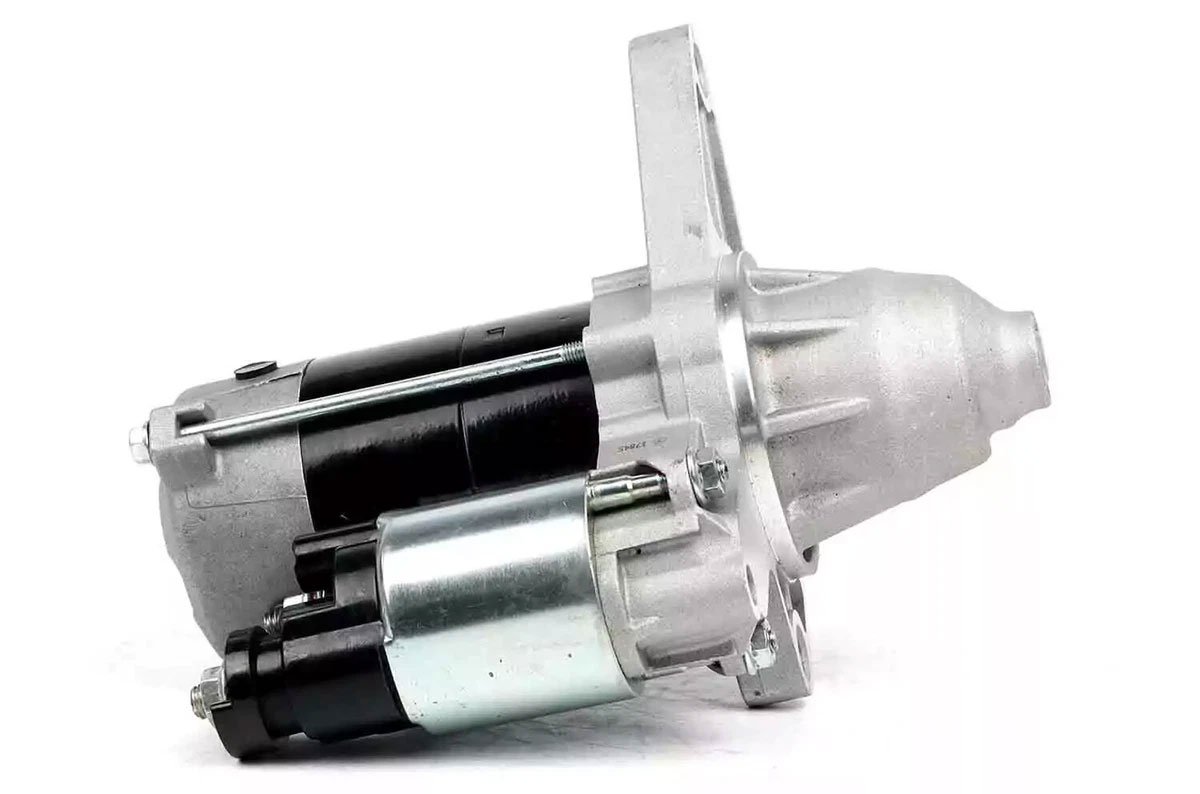
 Buying car starters in bulk makes sense if you run a repair shop, auto parts store, or fleet service. You save money per unit, keep stock ready, and meet customer needs fast. But you need to choose between OEM, aftermarket, and remanufactured types. Each has a different quality, cost, and fit. In this article, we explain the options, pros and cons, and steps to buy smart in large quantities.
For reliable suppliers, check out a trusted starter motor manufacturer like Unitech.
What Are OEM Car Starters?
OEM means Original Equipment Manufacturer. These starters come from the same company that made the ones in new cars. For example, if a Toyota uses Denso starters from the factory, OEM replacements match that exactly.
OEM starters fit perfectly because they use the original specs for size, mounting, wiring, and power. They often last longer and perform like the factory part. Many come with strong warranties from the car maker.
The downside is cost. OEM parts usually cost the most. For bulk buys, you pay a premium, but you get consistent quality and fewer returns from fit issues.
Shops that work on specific brands, like dealerships, often stick with OEM to keep customers happy and avoid complaints.
What Are Aftermarket Car Starters?
Aftermarket starters come from third-party companies, not the car maker. Brands like Bosch, Remy, or others make them to fit many vehicles.
These starters aim to match or beat OEM performance. Some use better materials or designs to fix common factory weak points. Aftermarket options cover a wide range of cars and trucks.
The big advantage is price. Aftermarket starters cost less than OEM, sometimes 30-50% cheaper. In bulk, the savings add up fast, helping your margins.
Quality varies a lot between brands. Good ones last well with solid warranties. Cheap ones might fail early, leading to returns or bad reviews. Always check reviews, certifications, and test reports before buying large orders.
Aftermarket works great for general repair shops that handle many makes and models.
What Are Remanufactured Car Starters?
Remanufactured (or reman) starters start as used or old units. The maker takes them apart, cleans everything, replaces worn parts like brushes, bearings, solenoids, and armatures with new ones, then rebuilds and tests them.
High-quality reman starters meet or exceed OEM standards. They get bench-tested for power and reliability. Many come from big-name remanufacturing lines like Denso or ACDelco.
Pros include lower cost than new (often close to aftermarket prices) and eco-friendly since they reuse cores. They perform well for most jobs.
Cons: Quality depends on the rebuilder. Some cut corners, leaving old parts that fail soon. You might pay a core charge if you do not return old units. For bulk, make sure the supplier has strict processes and good warranties.
Reman suits budget-focused shops or older vehicles where the full new cost does not make sense.
Key Differences: OEM vs Aftermarket vs Remanufactured
Here is a quick breakdown:
- Fit and Compatibility — OEM wins for exact match. Aftermarket and good reman usually fit well, but check specs. Poor ones cause issues.
- Quality and Lifespan — OEM often lasts longest. Top aftermarket and reman match it. Low-end options fail faster.
- Cost — Reman and aftermarket are the cheapest. OEM highest.
- Warranty — OEM typically 1-3 years unlimited miles. Aftermarket 1-2 years. Reman 1 year or more from good makers.
- Availability — Aftermarket is easiest in bulk. OEM might need dealer channels. Reman depends on the core supply.
For bulk purchases, aftermarket or remanufactured parts often offer the best value when you pick trusted brands.
Steps to Purchase Car Starters in Bulk
Follow these steps to buy smart:
- Know Your Needs — List the vehicles you service most. Note popular models, engine types, and starter specs (voltage, rotation, teeth count).
- Decide on Type — Choose OEM for premium service, aftermarket for variety and savings, reman for budget jobs.
- Research Suppliers — Look for wholesalers, manufacturers, or distributors. Online platforms, trade shows, or direct from makers work. Ask for samples first.
- Check Quality — Request certifications (ISO), test data, and customer references. Order small batches to test before big orders.
- Compare Prices and Terms — Get quotes from several sources. Look at unit price, shipping, minimum order, payment terms, and lead time.
- Negotiate — For large volumes, ask for discounts, better warranties, or free shipping.
- Handle Logistics — Plan storage, check MOQ (minimum order quantity), and confirm delivery times.
- Review Returns and Warranty — Understand policies for defects. Good suppliers stand behind their products.
You can find more options and info at sites like https://unitechmotor.com/.
Tips for Buying in Bulk Successfully
- Start small to test quality and fit on real jobs.
- Build relationships with suppliers for better deals over time.
- Track returns and failures to spot bad batches early.
- Consider core returns if buying reman to avoid extra fees.
- Stock popular sizes first, then expand.
- Watch for seasonal demand spikes, such as winter, when batteries and starters fail more often.
- Use online catalogs to quickly match parts.
Bulk buying lowers your cost per starter, but wrong choices raise returns and hurt your business. Focus on reliable sources.
Common Mistakes to Avoid
Do not buy the cheapest without checking the quality. Low-price starters often fail soon, costing more in labor and reputation.
Skip unknown brands without reviews or warranties.
Do not ignore core charges on reman; they add up.
Always verify fit before large orders to avoid dead stock.
Conclusion
Buying car starters in bulk helps your business grow by keeping costs down and service fast. OEM gives top reliability and fit, but at higher prices. Aftermarket offers good value and variety if you pick solid brands. Remanufactured provides eco-friendly savings with strong performance from quality rebuilders.
Weigh your customer base, budget, and quality needs. Research suppliers, test products, and negotiate terms. With the right approach, you get reliable starters at great prices, happy customers, and better profits. Start by reaching out to trusted manufacturers today.



Leave a Reply