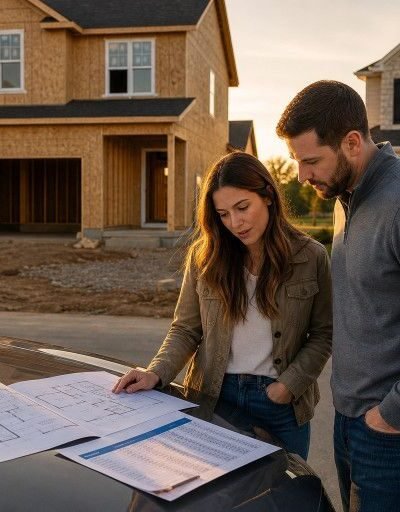
Buying a newly built home can feel more straightforward than buying a resale property. Everything is clean, up to date, and designed to appeal to modern buyers. Still, comparing new construction homes involves much more than choosing a favorite kitchen or exterior color. A smart decision comes from comparing the total cost of the purchase. That means looking at the final price, the lot, the floor plan, construction quality, financing terms, warranty coverage, and whether the community will still fit your needs several years from now.
Start With the Full Purchase Price
The base price is a starting point, not necessarily the price you will pay. Request a detailed estimate before comparing one builder or community with another. Include the base home price, lot premium, structural selections, design upgrades, appliances, window coverings, landscaping, fencing, closing costs, prepaid expenses, HOA dues, and possible special assessments. For example, one home may start at $450,000, while another may start at $465,000. If the lower-priced home requires a $20,000 lot premium, $18,000 in essential upgrades, and appliances that are not included, it may cost more at closing. Compare the final written price, not the sign outside the sales office.
Separate Included Features From Model Home Upgrades
A model home is designed to inspire buyers, but many displayed finishes may be optional. Flooring, lighting, cabinetry, countertops, tile, landscaping, and built-in storage can all vary from the standard package. Ask for three documents before making assumptions:
- A list of standard features.
- An upgrade price sheet.
- A final specification sheet for the exact home you are considering.
Use those documents to compare what each home actually includes. A home with fewer visual upgrades may offer better value if its standard materials, appliances, and systems meet your needs.
Compare Floor Plans for Everyday Living
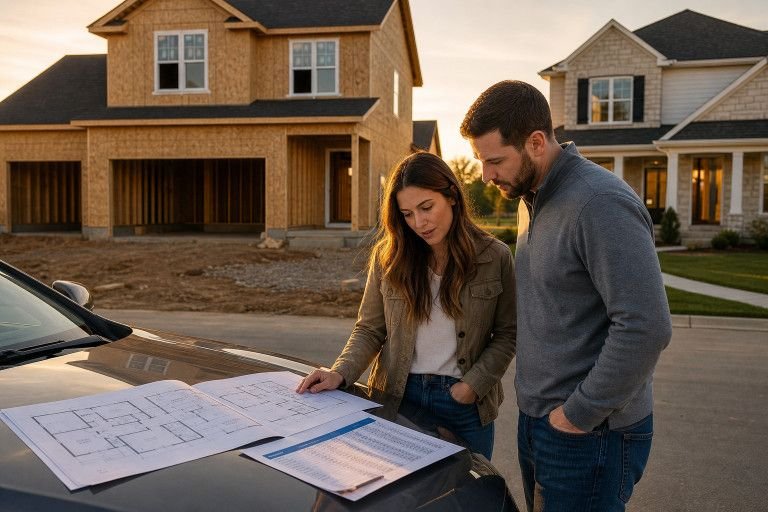
Square footage does not automatically equal usability. Walk through each plan with your normal routine in mind. Think about where groceries enter the home, how far laundry is from bedrooms, whether there is storage near the garage, and how private bedrooms feel when guests visit.
- Check whether a home office can function without taking over a bedroom.
- Look for practical pantry, linen, coat, and seasonal storage.
- Notice natural light in the kitchen, living room, and primary bedroom.
- Consider stairs, aging-in-place needs, and access to a full bathroom on the main level.
- Picture future needs, such as a nursery, guest room, hobby space, or multigenerational living.
A slightly smaller plan with useful storage and a flexible office may serve a household better than a larger home with formal rooms that rarely get used.
Study the Location, Not Just the Home
A new home purchase also means buying into a neighborhood. Visit at different times of day and drive the actual routes you expect to use. Check morning traffic, evening noise, school and work commutes, grocery access, medical care, parks, and road connections. Ask about future phases of the community and nearby development. An open field behind a lot may eventually become homes, a road, apartments, or commercial space. Also, look closely at drainage, slopes, nearby rail lines, busy roads, and the condition of surrounding properties.
Compare Construction Type and Move-In Timing
New construction can mean a completed inventory home, a home already under construction, a production build, a semi-custom home, or a fully custom project. Each option creates a different balance between price certainty, customization, and timeline.
- Completed inventory homes: Usually offer the clearest move-in timing and allow you to see the finished product.
- Homes under construction: May allow limited choices, but completion dates can shift.
- Production homes: Often have established plans and selections, which can simplify the process.
- Semi-custom and custom homes: Provide more flexibility but usually require more decisions, time, and budget discipline.
If you have a strict lease end date, school deadline, or job relocation, a completed home may be a safer choice than a longer build schedule.
Look Beyond Builder Incentives
Builder incentives can be valuable, especially when they help with closing costs, appliances, upgrades, or a mortgage-rate buydown. However, an incentive should not prevent you from comparing the complete loan offer. Ask whether the offer requires using a preferred lender, whether a lower rate is temporary or permanent, and whether discount points or lender fees are involved. The Consumer Financial Protection Bureau’s guide to comparing loan offers helps review interest rates, lender fees, credit terms, cash needed at closing, and the longer-term cost of borrowing. Request comparable Loan Estimates from multiple lenders whenever your timeline allows.
Check Energy Features and Expected Operating Costs
Newer homes may have improved insulation, windows, HVAC equipment, lighting, and appliances, but efficiency varies by builder and plan. Ask for information about the heating and cooling system, insulation levels, window specifications, appliance ratings, solar options, electric vehicle readiness, and estimated utility bills. An ENERGY STAR-certified home includes independently verified efficiency and construction features, but every buyer should still review the exact specifications of the home being purchased. Actual utility costs will depend on climate, household size, energy rates, and daily habits.
Schedule Independent Inspections
New does not always mean defect-free. An independent inspector can identify concerns that are difficult for buyers to see, including incomplete artistry, drainage issues, improperly installed components, and visible mechanical problems.
- Pre-drywall inspection: Reviews framing, plumbing, wiring, insulation, and mechanical work before walls are closed.
- Final inspection: Reviews finishes, fixtures, appliances, doors, windows, and visible exterior conditions.
- Warranty inspection: Documents concerns before an early warranty period expires.
Read the Contract and Warranty Carefully
Builder contracts can differ substantially from resale contracts. Review earnest-money rules, estimated completion dates, delay clauses, change-order procedures, appraisal requirements, inspection access, cancellation rights, dispute-resolution provisions, and the exact items included at closing. Consider having a qualified real estate attorney or other appropriate local professional review the agreement before you sign. Also, read the warranty closely. Find out who handles claims, how long artistry and system coverage lasts, what structural protection includes, which maintenance duties belong to you, and how claims must be submitted. Keep copies of all specifications, walkthrough notes, repair requests, and correspondence.
Compare New Construction With Resale Homes
Neither option is automatically better. New construction may offer modern features, lower early maintenance costs, and the possibility of customization. Resale homes may offer established neighborhoods, mature landscaping, a more predictable closing date, and different negotiation opportunities.
- Compare the total cost to buy and own each home, not just condition or age.
- Consider whether a developing community or an established neighborhood better suits your lifestyle.
- Factor in immediate repairs for resale homes and upgrade costs for new homes.
- Assess resale appeal, including lot position, layout, school access, and nearby amenities.
Build a Simple Comparison Worksheet
Use one worksheet for every home you tour. Record the final purchase price, cash needed at closing, estimated monthly payment, taxes, insurance, HOA dues, utility estimate, included features, upgrade costs, anticipated completion date, inspection opportunities, warranty terms, commute time, and likely resale appeal.
Final Checklist Before Signing
- Confirm the full price and all selected upgrades in writing.
- Calculate the complete monthly housing cost.
- Compare financing offers and incentive terms.
- Review HOA and community documents.
- Confirm inspection access and construction milestones.
- Understand completion-date and delay provisions.
- Review the warranty process and maintenance requirements.
- Make sure the location and floor plan support future needs.
Conclusion
The right new-construction home is not simply the best-looking model or the lowest advertised price. It is the home that provides clear value after costs, financing, construction quality, location, timeline, energy efficiency, and long-term livability are considered together. Taking time to compare builders, including features, warranties, neighborhood amenities, and future maintenance expectations, can help prevent costly surprises after closing. A written comparison process can replace pressure and guesswork with a decision you can feel confident about, giving you greater peace of mind that your new home will meet both your current needs and your future goals.


Leave a Reply