A well-designed exercise program is one of the most effective non-medical strategies for managing osteoporosis. Research consistently shows that the safest and most beneficial approach combines progressive resistance training, weight-bearing aerobic exercise, and balance-focused movement, delivered in a structured and gradual manner under professional supervision.
For individuals with osteoporosis, the goal is not high-intensity or high-impact training initially, but rather controlled mechanical loading of bones to stimulate bone strength while minimising fracture risk.
1. Safest Core Structure: Combined Exercise Approach
The most evidence-supported program includes three key components:
A. Progressive Resistance Training (PRT)
Resistance training is considered essential for improving bone density and muscular support around vulnerable joints.
A safe structured program typically includes:
- Machines, free weights, or resistance bands
- 2–3 sessions per week
- 8–12 controlled repetitions per set
- Focus on major muscle groups (legs, hips, back, shoulders)
Why it works:
- Improves muscle strength (reduces fall risk)
- Applies healthy stress to bones to stimulate remodeling
- Enhances posture and spinal support
B. Weight-Bearing Aerobic Exercise
Weight-bearing activities help maintain or slow bone loss by forcing the skeleton to support body weight.
Safe examples include:
- Brisk walking
- Low-impact stair climbing
- Light dancing
- Elliptical or marching-based cardio
Guidelines suggest:
- Around 150 minutes/week of moderate activity
- Start low intensity and gradually progress
Why it works:
- Encourages bone loading through gravity
- Improves circulation and endurance
- Supports overall functional mobility
C. Balance and Fall-Prevention Training
Since most fractures occur from falls, balance training is critical in osteoporosis programs.
Examples:
- Single-leg stands (supported if needed)
- Heel-to-toe walking
- Tai Chi-style slow movements
- Step-ups with support
Why it works:
- Improves coordination and stability
- Reduces fall risk significantly
- Enhances confidence in daily movement
2. Safety Rules That Define an “Osteoporosis-Safe” Program
A structured exercise physiology program should follow strict safety principles:
Avoid:
- Deep forward spinal flexion (e.g., sit-ups, toe touches)
- Sudden twisting movements (e.g., forceful golf swing)
- High-impact jumping in high-risk individuals
- Heavy loading without progression
These movements may increase vertebral fracture risk in some cases.
Emphasise:
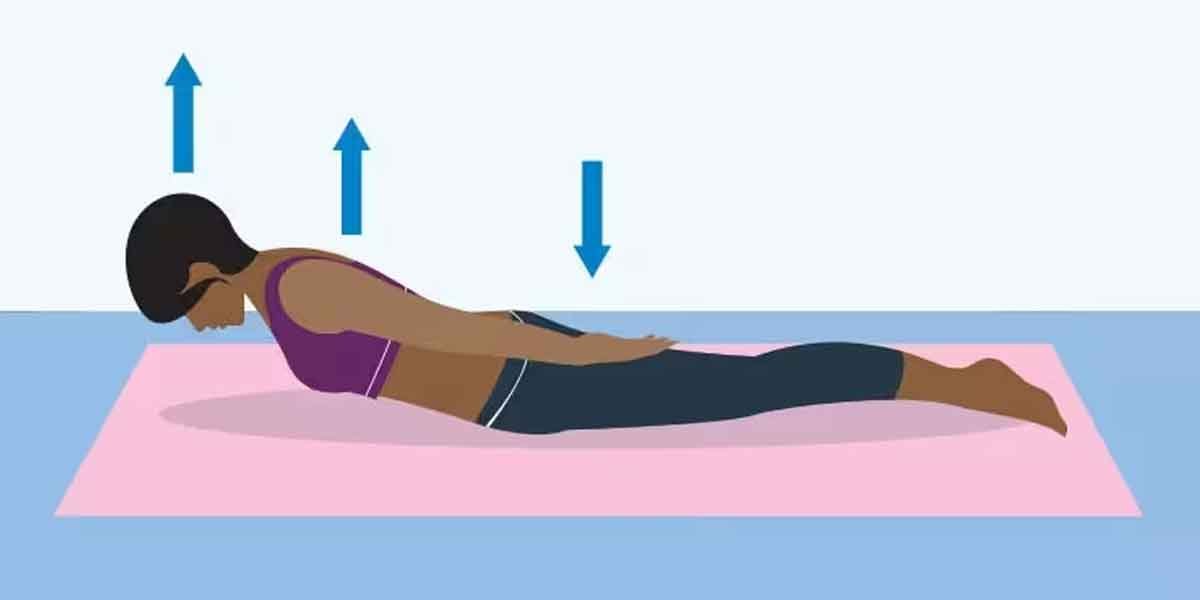
- Neutral spine posture
- Controlled tempo (no jerky movements)
- Gradual load progression
- Supervised technique correction
3. Most Effective Weekly Exercise Structure (Example)
A structured osteoporosis-safe program often looks like:
2–3 days/week resistance training
- Squats or sit-to-stand
- Row variations
- Hip strengthening
- Calf raises
- Core stability work
3–5 days/week weight-bearing cardio
- Brisk walking (20–40 min)
- Low-impact step work
- Light dance or treadmill walking
3+ days/week balance training
- Single-leg holds
- Walking drills
- Controlled step patterns
This combination is consistently shown to improve bone strength and reduce fracture risk over time.
4. Role of Exercise Physiology in Structured Programs
An exercise physiology–led program is especially valuable because it:
- Assesses fracture risk and movement limitations
- Prescribes safe loading levels for bones
- Progresses intensity based on tolerance
- Ensures correct spinal and joint alignment
- Integrates rehabilitation for pain or previous fractures
This personalised approach is important because osteoporosis severity, age, and medical history significantly affect exercise selection.
5. Why This Approach Works Best
The combination of resistance + weight-bearing + balance training is considered the gold standard because it:
- Stimulates bone remodeling through mechanical stress
- Builds muscle protection around fragile bones
- Reduces falls (major cause of fractures)
- Improves posture and spinal alignment
- Enhances long-term mobility and independence
Importantly, research indicates that properly designed exercise is generally safe for people with osteoporosis when progressed appropriately, and benefits outweigh risks.
Conclusion
The safest and most effective exercise program for osteoporosis is a structured, progressive, and supervised combination of resistance training, weight-bearing aerobic exercise, and balance work, with careful avoidance of high-risk spinal movements. A well-planned program delivered through exercise physiology not only helps improve bone strength but also plays a major role in reducing fall risk, improving posture, and supporting long-term functional independence especially when implemented within a South Perth gym environment that provides the right equipment, guidance, and consistency for safe progression.



Leave a Reply