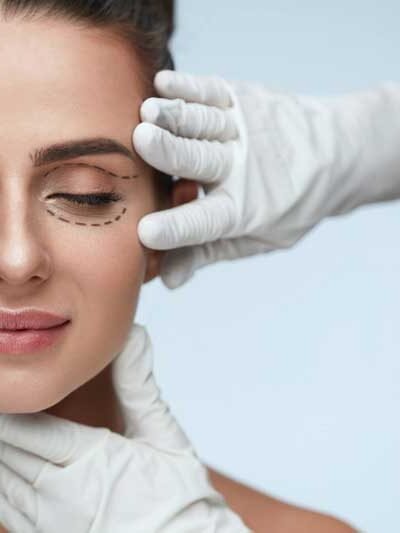
You may feel unsure about which cosmetic procedure fits your goals or how long recovery will take. Many common procedures, both surgical and nonsurgical, can change your appearance and have different recovery times.
This guide explains key procedures, what to expect during recovery, and how to pick the right option for you. Read on.
Top Surgical Cosmetic Procedures and What to Expect
Surgical cosmetic procedures help people improve, enhance, or reshape their appearance. Each one has a different recovery process, so it’s good to know what changes and healing you can expect before making a decision.
Breast Augmentation: Recovery time, results, and key considerations
Expect 4 to 6 weeks of light activity and 6 to 12 weeks for full recovery after breast augmentation. Most patients wear a support bra for several weeks, and surgeons often advise avoiding heavy lifting for about six weeks. You will see initial shape changes in days, but implants settle, and scars fade over months. Swelling and bruising drop gradually, and follow-up visits help track healing.
Talk about desired size, body contouring goals, and budget during your consultation with a board-certified plastic surgeon. Choose an experienced surgeon, ask about implant types, and review before and after photos.
Consider reconstruction needs, lifestyle limits, and recovery process when planning. Next, read about liposuction, the fat removal process, and post-procedure expectations. Plan recovery time, set realistic goals, and pick a qualified surgeon.
Liposuction: Fat removal process and post-procedure expectations
Liposuction is a popular cosmetic procedure for fat removal. It uses small tubes, called cannulas, to vacuum away excess fat from areas like the belly, thighs, and arms. Surgeons make tiny cuts in the skin to insert these tubes. The process can last from one to several hours, depending on how much fat needs to be removed.
After liposuction, patients can expect swelling and bruising. These effects usually fade within a few weeks. Most people return to normal activities in about one week, but should avoid heavy exercise for longer.
Wearing compression garments helps with healing, too. Many see results soon after surgery, but final changes may take several months as the body adjusts. Next up is tummy tuck surgery and what it involves!
Tummy Tuck (Abdominoplasty): Healing timeline and restrictions
A tummy tuck, or abdominoplasty, helps remove extra skin and fat from the abdomen. It creates a firmer stomach area.
- Surgery takes around 2 to 5 hours. Expect general anesthesia during the procedure.
- Initial recovery lasts about 1 to 2 weeks. You may feel sore and tired during this time.
- Bruising and swelling are common after surgery. These effects will start to improve in about 1 month.
- Gentle movements are encouraged early on. Avoid heavy lifting or strenuous activity for at least 6 weeks.
- Most people return to work in about 2 weeks; however, some may take longer based on their job’s demands.
- The final results show up slowly over several months; your new shape becomes clearer as swelling fades.
- Follow your doctor’s instructions seriously for the best healing process; they can guide you on care and activity restrictions.
- Keep follow-up appointments with your surgeon; they will monitor your progress and address any concerns that arise.
- Drinking plenty of water aids recovery; staying hydrated is essential during this time.
- A healthy diet helps maintain results long-term; good nutrition supports healing after surgery.
This treatment leads to a transformation many seek, enhancing body contouring while considering post-surgery care and recovery expectations clearly.
Facelift: Swelling, bruising, and final results timeline
Swelling and bruising are common after a facelift. These effects can vary from person to person.
- Swelling usually peaks around two to three days after surgery, but it will start to decrease afterwards.
- Bruising may last longer, often up to two weeks, before fading away.
- Most patients can return to normal activities in about two weeks, but full recovery takes longer.
- The final results may take six months or more to appear as all swelling resolves and tissue settles.
- Staying upright and applying cold compresses can help reduce swelling during recovery.
- Follow your surgeon’s advice on post-operative care for the best healing experience.
- Drinking plenty of water helps with overall recovery, too; staying hydrated is essential.
- Expect some numbness in the face, but this typically improves over time as nerves heal.
- Using sun protection for your healing skin is very important; it helps prevent any dark spots.
A facelift can transform your look, but understanding the process helps set patient expectations right from the beginning.
Blepharoplasty (Eyelid Surgery): Recovery process and appearance improvements
Blepharoplasty, or eyelid surgery, is a popular cosmetic procedure. Many choose it to enhance their appearance. After surgery, some swelling and bruising may occur. This usually lasts about one to two weeks. Most people can return to normal activities within ten days. Many patients seeking breast augmentation and other procedures often turn to Philadelphia plastic surgery for expert guidance.
The results of blepharoplasty are often noticeable right away. Patients typically see a more youthful look as the eyelids appear less droopy and tired. Improvements in vision may also happen if excess skin is removed from the upper lids. This procedure can make a significant difference in how someone feels about their appearance and self-confidence.
Popular Non-Surgical Cosmetic Procedures and What to Expect
Popular non-surgical cosmetic procedures offer great options for those looking to enhance their appearance. You can achieve visible changes with minimal downtime, making these treatments appealing for many.
Botox and Fillers: Immediate vs. gradual results and downtime
Botox and fillers act fast, yet they differ in timing and downtime.
| Procedure | What it does | Results timeline | Downtime | How long it lasts | Common side effects | Aftercare |
| Botox | Relaxes muscles to smooth lines and wrinkles. | Effects appear in 3 to 7 days. Peak result by 2 weeks. | No formal downtime. Mild redness or tiny bruises may occur. | 3 to 4 months for most patients. Some see up to 6 months. | Bruising, slight swelling, rare drooping of brow or lid. | Avoid heavy exercise for 24 hours. Skip alcohol the day of treatment. |
| Hyaluronic Acid Fillers | Add volume to lips, cheeks, and fine lines. | Immediate lift and shape. Final settling in 1 to 2 weeks. | Swelling and bruising are common for 2 to 7 days. Most resume work is done the same day. | 6 to 18 months, depending on the product and area injected. | Tenderness, lumps, bruises, and rare migration of material. | Apply cold packs for 24 hours. Massage only if the practitioner advises. |
| Calcium Hydroxylapatite Fillers | Provides structure and stimulates collagen over time. | Immediate correction. Continued improvement over 3 months. | Minor swelling for several days. Plan light activities after treatment. | 12 to 18 months for many patients. | Bruising, firmness, and rare nodules that may need treatment. | Sleep with head elevated first night. Avoid intense heat for 48 hours. |
| Combined Treatments | Botox plus fillers treat dynamic and volume issues together. | Botox shows by week one. Fillers show instantly, refine by two weeks. | Downtime equals the sum of each treatment and is often mild. | Plan follow up at 2 weeks to assess needs. | Side effects mirror individual products used. | Follow both sets of aftercare steps. Contact provider for concerns. |
| Quick Tips | Plan injections around events. Book 2 weeks before big days. | Expect subtle change at first. Look again after 2 weeks. | Schedule light days post-treatment. Avoid strenuous activity briefly. | Keep a treatment log. Note products and dates. | Report unusual pain or prolonged swelling right away. | Choose a certified injector. Ask about emergency protocols. |
Laser Skin Resurfacing: Skin improvements and recovery details
Laser skin resurfacing helps improve your skin’s look and feel. It targets wrinkles, scars, and sun damage. After the procedure, you may notice some redness and swelling. This is normal and usually goes away within a week or two.
Most people can return to daily activities quickly, but avoid sun exposure for better healing. Your skin will start to peel as it heals, which reveals smoother layers underneath. Results get better over time as your skin continues to heal from the treatment.
Microneedling (e.g., PRP): Benefits for skin texture and minimal downtime
Microneedling, also known as PRP (Platelet-Rich Plasma), helps improve skin texture. Tiny needles create micro-injuries in the skin. This process boosts collagen production. The result is smoother and firmer skin. Many people see benefits after just one session. Some notice a glow right away, while others achieve full results over time.
Downtime is minimal with microneedling. Most individuals return to their regular activities within a day or two. After the treatment, some redness may appear, similar to a mild sunburn. This fades quickly and usually disappears in 24 hours. In summary, it’s an effective way for cosmetic enhancement without major surgery or extended recovery times.
Choosing the Right Procedure for Your Needs
Finding the right procedure is key to achieving your goals. Think about what you want, how much time you have to heal, and what fits your budget.
Factors to consider: Goals, recovery time, and budget
Choose a procedure that fits your goals, recovery time, and budget.
| Factor | What to consider | Quick tips |
| Goals | – Define the main aim, like volume, contour, or smoothing. – Set a realistic outcome. Surgeons share before and after photos. – Prioritize one change at a time, to avoid mixed results. | – Ask for photos of similar cases. – List top three wishes, to guide the consult. |
| Recovery time | – Check typical downtime, from hours to weeks. – Expect swelling and bruising after surgery. These fade over weeks. – Plan time off work and arrange help at home. | – Match procedures to your schedule. – Ask about activity limits and follow-up visits. |
| Budget | – Compare total costs, surgeon fee, facility fee, and anesthesia. – Include follow-up care and possible revision costs. – Consider financing or payment plans if needed. | – Get a written cost breakdown. – Avoid decisions based only on price. |
Importance of consulting a board-certified plastic surgeon
Consulting a board-certified plastic surgeon is key. These experts have specific training and skills in cosmetic surgery. They understand the ins and outs of procedures, from surgical techniques to patient care. You want someone who knows what they are doing, right? A good surgeon will discuss your goals and options with you.
They can help set clear expectations for recovery and results. Choosing the wrong person could lead to unwanted outcomes or complications. Trust a certified specialist to guide you through this journey safely.
Conclusion
Cosmetic procedures can change how you feel about yourself. Many options are available, both surgical and non-surgical. Each procedure has its own recovery time and results to expect.
Finding the right one for your needs is key. Always talk with a qualified surgeon before making decisions; they can guide you through this journey. Your cosmetic transformation starts with understanding what to expect!



Leave a Reply