Understanding Cellulite
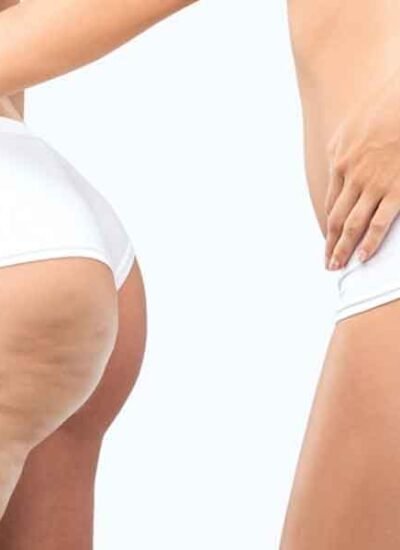
Cellulite affects nearly 90 percent of women at some point in their lives, and many men as well. This condition appears as lumpy, dimpled skin, most often on the thighs, hips, and buttocks. The main reason for this bumpy appearance is fat deposits pushing against the connective tissue beneath the skin. A variety of factors play a role in whether someone develops cellulite, but genetics, hormones, and lifestyle choices are among the most influential. While cellulite is not harmful, it can impact confidence and body image for some individuals. For more advanced solutions, explore cellulite-reduction treatments available in Columbus, Ohio, including a range of minimally invasive options.
Women are more likely to develop cellulite due to the way their fat, muscle, and connective tissue are distributed. Hormonal changes tied to puberty, pregnancy, menopause, or birth control pills may further increase the risk. Additionally, lifestyle choices such as diet, exercise, and clothing can influence its development. While it’s a normal part of aging and body composition, many people seek ways to minimize its appearance and improve their skin’s texture.
Dietary Adjustments to Combat Cellulite
Nutrition plays a significant role in both preventing and reducing the appearance of cellulite. Eating a diet rich in antioxidants, such as berries, citrus fruits, spinach, and kale, strengthens connective tissue and encourages collagen production, which is vital for smooth and resilient skin. Foods high in omega-3 fatty acids, like salmon and walnuts, can further support skin elasticity.
On the other hand, limiting the intake of processed foods, refined sugars, and salty snacks reduces inflammation and water retention, both of which can make cellulite more noticeable. Ample water consumption is also crucial, as hydration helps flush out toxins and keeps skin looking plump and healthy. Even small, consistent changes to your meal plan can have a noticeable impact on overall skin quality.
Exercise Strategies for Smoother Skin
Regular physical activity is one of the most effective ways to reduce the appearance of cellulite by toning muscles and improving circulation. Both cardiovascular exercises, such as brisk walking, swimming, and cycling, and strength training routines have important benefits. Cardiovascular movements aid in burning fat, while strength training builds up the muscles underneath problem areas, helping the skin look firmer and more taut. This combination offers a double benefit for those aiming to reduce dimples and boost body confidence.
Consistency is key. Targeted exercises such as lunges, squats, and leg lifts focus on cellulite-prone areas like the thighs and buttocks, helping shift stubborn fat deposits. Resistance bands can enhance these workouts by further challenging the muscles.
Topical Treatments and Their Efficacy
A wide array of topical products claims to tackle cellulite. Creams containing caffeine can temporarily dehydrate fat cells, leading to visibly tighter skin for several hours. Products containing retinol, an ingredient known for its skin-smoothing effects, can improve skin thickness and elasticity when used regularly for several months. While these creams may help with mild cases or as a supplement to other strategies, it’s important to have realistic expectations. Topical treatments are unlikely to dramatically transform the skin but can offer modest improvements with commitment and daily use.
Professional Procedures for Cellulite Reduction
For those seeking more pronounced results, a range of professional treatments is available. Laser and radiofrequency therapies work by heating the skin and underlying fat, stimulating new collagen production, and breaking up the fibrous bands that cause dimpling. Acoustic wave therapy is another option that uses sound waves to reduce tissue stiffness and smooth the skin’s surface. According to the Mayo Clinic, these minimally invasive procedures can produce noticeable but not permanent results, and typically require repeated sessions to maintain improvements. Side effects are usually mild but may include redness, swelling, or temporary discomfort.
It is recommended to consult with a board-certified dermatologist or plastic surgeon before opting for these treatments. They can help you evaluate which procedure is best suited to your skin type and expectations, and discuss the risks, recovery time, and cost.
Lifestyle Modifications for Long-Term Results
Simple lifestyle adjustments can complement treatments. Wearing loose clothes prevents restricted blood flow, benefiting skin texture. Dry brushing, massage, and exfoliation stimulate circulation and lymphatic drainage, possibly smoothing skin, though scientific proof for cellulite is limited. Avoid smoking and manage stress, as they harm skin by reducing circulation and collagen. Combined with healthy eating and exercise, these habits promote firmer, youthful skin long-term.
Setting Realistic Expectations
While there is no cure for cellulite, its appearance can be minimized with a patient, consistent approach. Genetics and hormonal factors play significant roles, so cellulite cannot always be prevented or entirely eliminated. Focusing on a balanced diet, regular movement, and skin care is the most realistic way to achieve visible results and greater confidence in your appearance.
Conclusion
Cellulite is a natural part of the human body, especially as people age or experience hormonal shifts. Fortunately, a variety of approaches, from simple diet changes and consistent exercise routines to targeted topical products and advanced professional procedures, can help reduce its appearance. By making gradual, sustainable adjustments and choosing treatments that fit your individual lifestyle and preferences, you can achieve smoother, firmer skin and a boost in self-confidence. Consistency is essential for long-term results, and seeking professional advice can also optimize your approach for lasting skin health.



Leave a Reply