Introduction
Dishwashers are a staple in today’s homes, beloved for their ability to simplify one of the most repetitive household tasks. To truly appreciate their efficiency and avoid unexpected problems, it is crucial to recognize the significance of the dishwasher filter in everyday operations. This small but important component filters out food particles and prevents plumbing mishaps, helping you avoid sudden disruptions, such as a plumbing emergency. Proper understanding and maintenance of dishwasher filters can save time, money, and unnecessary stress.
When overlooked, a dishwasher filter can become clogged or damaged, potentially leading to bigger problems like blockages or poor cleaning results. As dishwashers continue to advance in technology, the importance of regular filter care remains consistent. Mastering this routine task not only supports your appliance but also ensures consistently sparkling dishes and a smoothly functioning kitchen.
Many homeowners underestimate the link between regular maintenance and the long-term health of their appliances. By making filter cleaning a monthly priority, you can stave off a variety of issues, deepen your understanding of your appliance, and minimize repair calls. Filters are more than a convenience; they are a first line of defense against kitchen chaos.
Learning about the types of dishwasher filters and their care will equip you with the confidence to manage routine maintenance and sidestep the most common performance issues. In this article, you will discover how filters work and explore expert-recommended steps for proper cleaning and maintenance.
What Is a Dishwasher Filter?
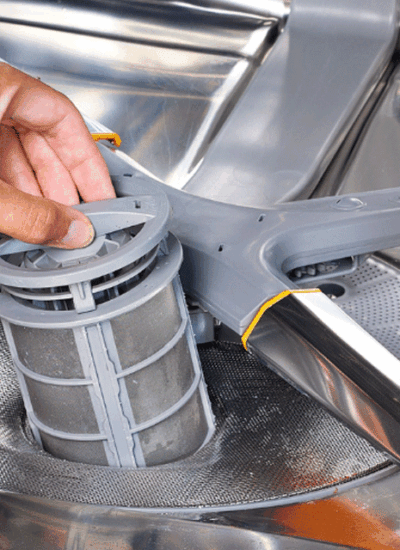
A dishwasher filter is a removable mesh or plastic screen that sits at the base of the dishwasher, near the spray arm and drainage area. Its main job is to capture crumbs, grease, and other debris that come off dishes during wash cycles. Instead of moving through the machine or sticking to your clean plates, these particles are trapped by the filter, keeping water cleaner throughout the cycle and supporting the detergent and spray arms’ effectiveness.
Filtered water means food residue and unwanted build-up are caught before draining. When the filter is working appropriately, you get consistent results and avoid the inconvenience of residue-laden dishes at the end of the cycle. More importantly, this process helps avoid deeper plumbing or appliance issues that could be costly to repair.
Types of Dishwasher Filters
Dishwasher filters generally come in two categories, each offering distinct advantages and requiring different levels of user attention.
Manual Filters: These must be removed and cleaned by hand every few weeks (or more frequently, depending on usage). Manual filters provide finer food screening, resulting in better cleaning. They work quietly but require more homeowner involvement to keep your dishwasher in top shape.
Self-Cleaning Filters: Self-cleaning models pulverize and automatically wash away food particles, using a grinder to break down larger pieces before flushing them down the drain. These filters are lower-maintenance but may be noisier and sometimes less efficient at catching every particle, especially larger debris that could escape the grinding blades.
Manual and self-cleaning dishwasher filters both promote clean, residue-free results, but homeowners should weigh their preference for maintenance intervals versus performance and noise.
Why Regular Cleaning Is Essential
Routine cleaning of your dishwasher filter ensures optimal cleaning performance, prevents odor buildup, and extends the lifespan of your appliance. As food particles and residue build up, a neglected filter can create several problems:
Reduced Cleaning Efficiency: With the filter clogged, water cannot flow freely, and dishes may emerge dirty or greasy.
Unpleasant Odors: Trapped food debris quickly leads to foul smells that can permeate your kitchen and newly washed plates.
Potential Damage: A filter filled with debris strains your machine’s pump and motor. Over time, this can cause component failure or more expensive repairs.
Experts generally recommend cleaning your dishwasher filter monthly if you use it daily. Those who run fewer cycles per week may extend this to every three months.
How to Clean Your Dishwasher Filter
Step-by-Step Cleaning Guide
Locate the Filter: Open your dishwasher and remove the bottom rack to find the filter assembly. This is usually under the spray arm at the bottom of the tub.
Remove the Filter: Follow your machine’s manual to unlock and lift out the filter. If you cannot locate the instructions, most filters either twist and lift or have tabs to press for release.
Rinse Thoroughly: Hold the filter under warm running water and use a soft-bristled brush or old toothbrush to remove any caught residue. Avoid abrasives and never use harsh chemicals, which can damage the filter’s material and mesh.
Inspect for Damage: Look over the filter for signs of splitting, tearing, or excessive wear. A damaged filter cannot trap debris effectively and should be replaced with the correct part for your model.
Reinstall the Filter: Once cleaned and checked, replace the filter securely and ensure it is seated correctly before running your next wash cycle.
Common Mistakes to Avoid
Proper dishwasher maintenance is simple but easy to overlook. To avoid common pitfalls, remember the following:
Overloading the Machine: Packing dishes in tightly blocks water and detergent flow, leading to unclean dishes and extra wear on components.
Using the Wrong Detergent: Household hand soap or generic cleaners can cause excessive suds and unwanted residue. Use detergents specifically formulated for dishwashers to maintain optimal performance.
Neglecting Regular Maintenance: Skipping scheduled filter cleaning leads to build-up, bacterial growth, and poor cleaning results.
Final Thoughts
Maintaining a clean dishwasher filter is a simple, critical task for keeping your kitchen running smoothly and your appliance working as designed. By committing to regular filter checks and cleanings, you extend your dishwasher’s lifespan, safeguard your kitchen against sudden problems, and ensure every load comes out sparkling clean. With a little monthly care, your dishwasher will continue to serve you efficiently for years.




Leave a Reply