
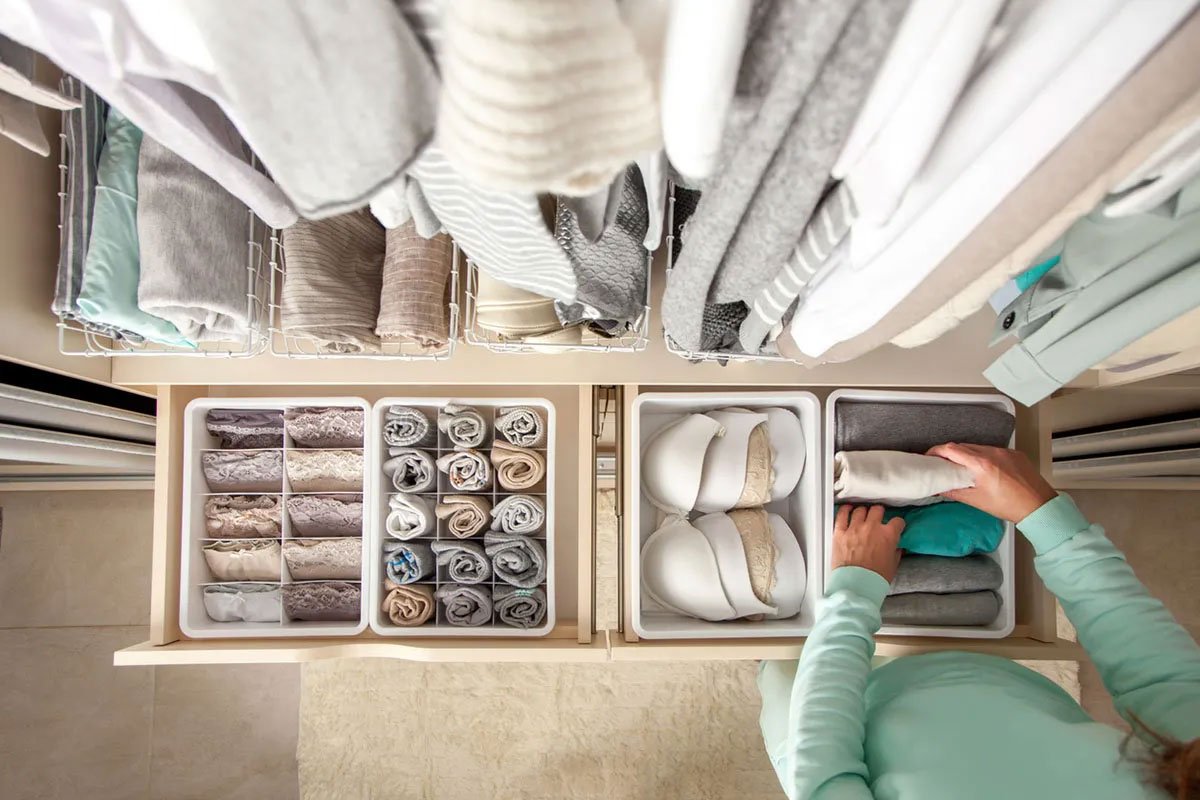
 If home decluttering or organizing has been on your mind lately, you have probably come across the idea of hiring a professional home organizer. Their work shows up in conversations, online searches, and before-and-after stories shared by people who felt stuck just weeks earlier. Some describe the experience as life-changing. Others talk about finally feeling at ease in their own homes.
It is easy to see why. Professional organizers are trained to look beyond clutter and understand how a home is actually used. They help create systems that feel natural rather than forced, offering guidance that removes stress instead of adding pressure. The result is often a space that feels calmer, clearer, and more supportive.
Interested in how this process works behind the scenes? Keep reading. This article offers a real, step-by-step look at what professional home organizers actually do to turn frustration into function.
The First Consultation
Every organizing project starts with a thoughtful conversation. Before any changes are made, professional home organizers focus on understanding both the home and the person living in it. This step creates a sense of trust and clarity before the hands-on work begins.
During the consultation, you talk through what feels overwhelming right now. Maybe it is one room that never stays organized. Maybe it is the entire home feeling heavier than it should. The experts ask questions about daily routines, storage challenges, and what you want your space to support going forward. This helps them understand how you actually use your home, not how it looks on the surface.
This is also where practical planning takes place. Trusted professional organizers, such as Pretty Neat Home Organizer, often explain their package options at this stage so you can choose the level of support that fits your needs. Some clients start with one space, like a closet or kitchen, while others prefer a broader approach that covers multiple rooms or the whole home over several sessions. The experts help guide these decisions and also discuss scheduling, pacing, and timelines openly. This helps set clear expectations.
To make the process more accessible, many teams now offer consultations by video. This option allows you to walk through your home together and build a plan without added stress, making the first step feel far less intimidating.
Decluttering, Sorting, and Categorizing Come Next
Once the plan is set, professional organizers move into decluttering and sorting, treating them as part of the same thoughtful process. This phase can feel emotional for many people, which is why it is handled with patience rather than urgency.
Organizers guide you through decisions gently, reviewing items in small, manageable sections. This approach helps reduce overwhelm and makes it easier to recognize which items still support your daily life and which ones are simply taking up space. You are never pushed to make choices before you are ready.
This phase usually focuses on:
- Identifying items that are no longer used or needed
- Separating everyday essentials from rarely used belongings
- Gently addressing duplicates or excess items
As decisions are made, items are sorted in ways that reflect real use. Experts look at how often items are needed, where they are used, and who uses them. Everyday items remain easily accessible, while seasonal or occasional belongings are stored thoughtfully. By combining decluttering with realistic sorting, this phase sets the foundation for systems that truly last.
Building Systems That Are Easy to Maintain
With categories clearly defined, professional home organizers begin creating systems that support everyday life, not just special occasions or perfectly tidy days. This step is about translating order into something you can actually live with. The experts look closely at how you move through your space, what you reach for most often, and where friction tends to show up during daily routines.
Instead of adding complexity, they aim to simplify. Storage solutions are chosen to fit the space and the way it is used. This might involve adjusting drawer layouts, rethinking shelf placement, or creating zones that make sense for real habits rather than ideal ones. The focus stays on making things easier to put away, not harder.
Some common elements of sustainable organizing systems include:
- Clear, visible storage that reduces searching and decision fatigue
- Logical grouping that matches how tasks are actually done
- Simple labels or cues that help everyone in the household follow the system
When systems are built this way, they support consistency without requiring constant effort.
The Final Reset
At the end of the process, organizers take time to walk through the space with you. This final reset is unhurried and intentional, allowing for small adjustments and thoughtful refinements. It ensures that everything feels comfortable to use and easy to maintain.
During this walkthrough, the experts explain how each system works and why it was designed that way. Many also offer simple guidance on how to keep things running smoothly over time, sharing realistic tips that fit into everyday life.
Wrapping Up
Professional home organizing follows a calm, thoughtful process designed to reduce overwhelm at every stage. From the first consultation to systems built around real routines, each step supports clarity and ease. When done well, the result is more than an organized home. It is a space that feels lighter, more functional, and better aligned with everyday life.



Leave a Reply