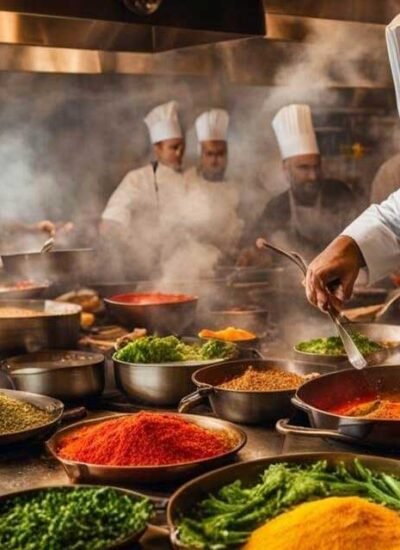
The Historical Roots of Culinary Blending
The concept of fusion cuisine is far from a modern invention. Its roots stretch back centuries, woven into the fabric of human history through trade, conquest, and migration. Ancient trade routes, like the legendary Silk Road, weren’t just conduits for silk and spices; they were vibrant arteries of cultural exchange, carrying culinary traditions from East to West and back again. The Spice Trade, in particular, introduced new ingredients and flavors to distant lands, sparking innovative combinations that laid the groundwork for what we now recognize as fusion. This continuous interplay of cultures created a global pantry long before globalization became a buzzword.
One of the most exquisite and historically significant examples of culinary blending is Hyderabadi Biryani. Its origin is a testament to the rich mix of influences that shaped Indian cuisine. The story begins with the Mughal Empire, which brought Persian and Central Asian culinary practices to India. The elaborate court kitchens of the Mughals, renowned for their intricate preparations and use of aromatic spices, significantly influenced the local cooking traditions. When the Mughal viceroy, Nizam-ul-Mulk Asaf Jah I, established his rule in Hyderabad in the 18th century, his chefs masterfully combined these regal Mughal techniques with the indigenous flavors and ingredients of the Telugu region.
The result was the iconic Hyderabadi Biryani – a dish that perfectly embodies the spirit of fusion. It’s not merely a mix of ingredients but a harmonious blend of two distinct culinary philosophies. The dum cooking technique, where meat and rice are slow-cooked together in a sealed pot, allowing flavors to meld and rice to absorb the rich aromas, is a hallmark of this tradition. This method, combined with local spices, tender meats (often goat or chicken), and fragrant Basmati rice, creates a dish of unparalleled depth and complexity. Its cultural significance extends beyond being just a meal; it’s a celebration, a symbol of hospitality, and a culinary legacy passed down through generations. For many, it represents the pinnacle of Indian festive dining.
Beyond Hyderabadi Biryani, India offers other historical examples of fusion, such as Indo-Chinese cuisine. Dishes like Hakka noodles and various Manchurian preparations arose from the adaptation of Chinese cooking to Indian palates, incorporating local spices and vegetarian preferences. These examples highlight that culinary blending is a natural, ongoing process, continually evolving as cultures interact and exchange ideas.
The Principles Behind Successful Fusion Cuisine
Crafting successful fusion cuisine is an art that requires a deep understanding of culinary principles, not just a haphazard mixing of ingredients. At its core, it’s about creating harmony, not chaos, on the plate. Chefs who excel in this domain carefully balance flavors – sweet, sour, salty, bitter, and umami – ensuring that each element complements rather than overwhelms the others. The goal is a cohesive taste profile where new and familiar notes dance together.
Equally important are complementary textures. A dish might combine the crispiness of fried elements with the tenderness of slow-cooked meat, or the creaminess of a sauce with the bite of fresh vegetables. This textural interplay adds excitement and depth to each mouthful. Respect for ingredients is paramount; high-quality components are essential, as their inherent flavors and characteristics are often the foundation upon which fusion dishes are built. Borrowing cooking techniques from different traditions also plays a crucial role, allowing chefs to achieve specific textures or infuse flavors in novel ways. For instance, a chef might use a Japanese pickling technique on a traditionally Mediterranean vegetable, or a French braising method for an Asian-inspired cut of meat.
The Creative Process of Developing Fusion Dishes
The journey of developing a new fusion dish is often an creative one, deeply personal to the chef. Inspiration can strike from various sources: a chef’s own cultural background, extensive travel experiences that expose them to diverse culinary landscapes, or even the seasonal availability of unique ingredients at a local market. It’s a continuous process of learning and exploration.
Experimentation is key. Chefs spend countless hours in the kitchen, playing with flavor pairings, adjusting spice levels, and refining cooking methods. This involves a significant amount of trial and error, where ideas are tested, modified, and sometimes discarded. The ultimate goal is to find that perfect balance where disparate elements come together to form a new, exciting, and delicious whole. It’s about understanding the nuances of different cuisines and finding common ground or intriguing contrasts that lift the dining experience.
Avoiding Confusion in Fusion Cuisine: Common Pitfalls
While the allure of fusion is strong, it’s a path fraught with potential pitfalls. The line between innovative blending and confusing jumble can be thin. One common mistake is prioritizing gimmicks over genuine flavor. A dish might sound exciting on paper but fail to deliver a cohesive and enjoyable taste experience if the fusion feels forced or arbitrary. Overcrowded plates, where too many clashing ingredients compete for attention, can also lead to a muddled and unsatisfying meal.
The true art of fusion lies in maintaining a clear, cohesive culinary vision. Chefs must ask themselves what story they want to tell with the dish and how each component contributes to that narrative. Without this thoughtful approach, fusion can devolve into a chaotic mix of flavors that ultimately disappoints. The most successful fusion dishes are those where the blend feels natural, intentional, and respectful of the culinary traditions it draws upon.
Iconic Examples of Fusion Cuisine Around the World
Fusion cuisine, in its myriad forms, has given rise to some of the world’s most beloved and recognizable dishes. These iconic examples demonstrate how the thoughtful blending of culinary traditions can create something truly extraordinary.
Perhaps one of the most widely recognized forms of fusion is Tex-Mex cuisine, a delicious marriage of American and Mexican traditions. Born along the border regions, Tex-Mex dishes like sizzling fajitas, cheesy nachos, and hearty chili con carne have become staples far beyond their geographical origins. They combine Mexican ingredients and cooking styles with American preferences, often featuring generous amounts of cheese, beef, and spicy sauces.
Californian Cuisine, another celebrated example, emerged with a focus on fresh, local, and seasonal ingredients. While not a direct blend of two specific cuisines in the same way as Tex-Mex, it draws heavily on Asian and European influences, particularly French and Italian techniques, to highlight the natural flavors of California’s abundant produce. This approach emphasizes lighter preparations and vibrant, healthy dishes.
Further afield, Peruvian-Japanese (Nikkei) cuisine offers a fascinating blend born from the significant Japanese immigration to Peru in the late 19th and early 20th centuries. This unique fusion combines the delicate precision of Japanese cooking with the bold, vibrant flavors of Peruvian ingredients. Dishes like ceviche (Peruvian raw fish marinated in citrus) are given a Japanese twist with soy sauce or sesame oil, while tiradito (thinly sliced raw fish) showcases the sashimi-like presentation with Peruvian chili sauces.
Modern Twists on Classic Dishes: The Evolution of Fusion Cuisine
In today’s globalized culinary landscape, chef innovation continues to push the boundaries of fusion, constantly reinterpreting traditional dishes with unexpected elements. This evolution is driven by a desire to surprise and delight diners, offering familiar comfort with a contemporary edge. We see this in everything from gourmet burgers featuring international toppings to reimagined classics that infuse global flavors into beloved recipes. For instance, the traditional slow-cooking methods of biryani can be given a contemporary twist, blending its aromatic spices with new flavor profiles to create something distinctively new, much like the innovative approach seen in a Flambe Karma Fusion Biryani. This kind of culinary creativity thrives on globalized palates that are increasingly open to diverse and adventurous tastes.
The Future of Food: What’s Next for Fusion?
The trajectory of fusion cuisine points towards an even more dynamic and innovative future. One significant trend is the intersection of sustainability and fusion. As diners become more conscious of environmental impact, chefs are exploring ways to incorporate local, seasonal ingredients into dishes inspired by foreign recipes. This “glocal” approach reduces food miles and supports local economies while still delivering exciting global flavors. Imagine a biryani made with locally sourced, organic vegetables, or a Peruvian-Japanese dish featuring fish from sustainable local fisheries.
Technological advancements are also beginning to play a role. AI-powered flavor pairing algorithms, for instance, could assist chefs in finding unprecedented ingredient combinations, analyzing molecular profiles to predict harmonious blends. While human creativity will always be paramount, technology may offer new tools for culinary exploration.
We may also see the rise of “hyper-regional fusion,” where chefs dig into the specific sub-cuisines of a particular region, blending them with elements from another equally specific, niche culinary tradition. This level of detail promises even more unique and authentic fusion experiences. Finally, the role of home cooks in driving these trends cannot be overstated. With easy access to international ingredients and recipes online, home kitchens are becoming laboratories for fusion, democratizing culinary innovation and continually influencing restaurant menus.
Frequently Asked Questions about Fusion Cuisine
What is the difference between fusion and authentic cuisine?
Authentic cuisine adheres to traditional recipes and methods of a specific culture or region, aiming to preserve its historical and cultural integrity. It’s about cooking a dish exactly as it has been prepared for generations, using traditional ingredients and techniques. Fusion cuisine, on the other hand, intentionally combines elements from two or more different culinary traditions to create a new, hybrid dish. The goal is to innovate and create novel flavor experiences by blending distinct culinary philosophies. While authentic cuisine looks to the past, fusion cuisine looks to the future, building upon established traditions to forge new ones.
Is fusion food just a modern trend?
While the term “fusion cuisine” gained significant popularity in the late 20th century, the practice of blending culinary traditions is centuries old. It has been a natural consequence of human migration, trade, and cultural exchange throughout history. Dishes like Hyderabadi Biryani are prime historical examples, originating from the fusion of Mughal and local Indian cooking styles centuries ago. Similarly, Tex-Mex cuisine evolved over generations as Mexican and American cultures intertwined. So, while the contemporary focus on “fusion” might be a modern trend, the act of blending cuisines is a timeless culinary phenomenon.
How can I start making fusion dishes at home?
Starting with fusion cuisine at home doesn’t require a culinary degree; it’s about playful experimentation. Begin by introducing a single ingredient or technique from another cuisine into a dish you know well. For example, you could add a dash of soy sauce and ginger to a traditional tomato-based pasta sauce for an umami kick, or use a tandoori spice rub on roasted vegetables or grilled chicken for an Indian-inspired flavor profile. Another idea is to combine cooking methods, such as stir-frying traditionally Western vegetables or using a French en papillote technique for an Asian-marinated fish. The key is to start small, understand the flavors you’re working with, and gradually build confidence in creating your own unique culinary blends.




Leave a Reply