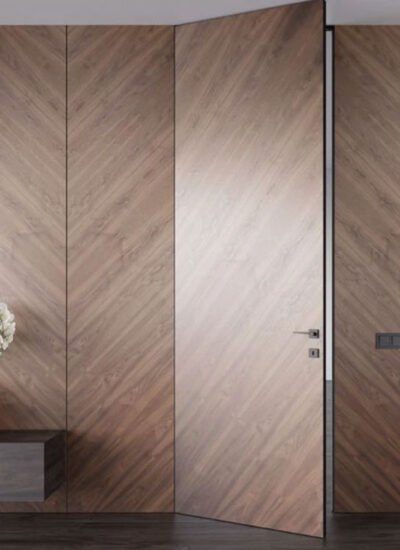
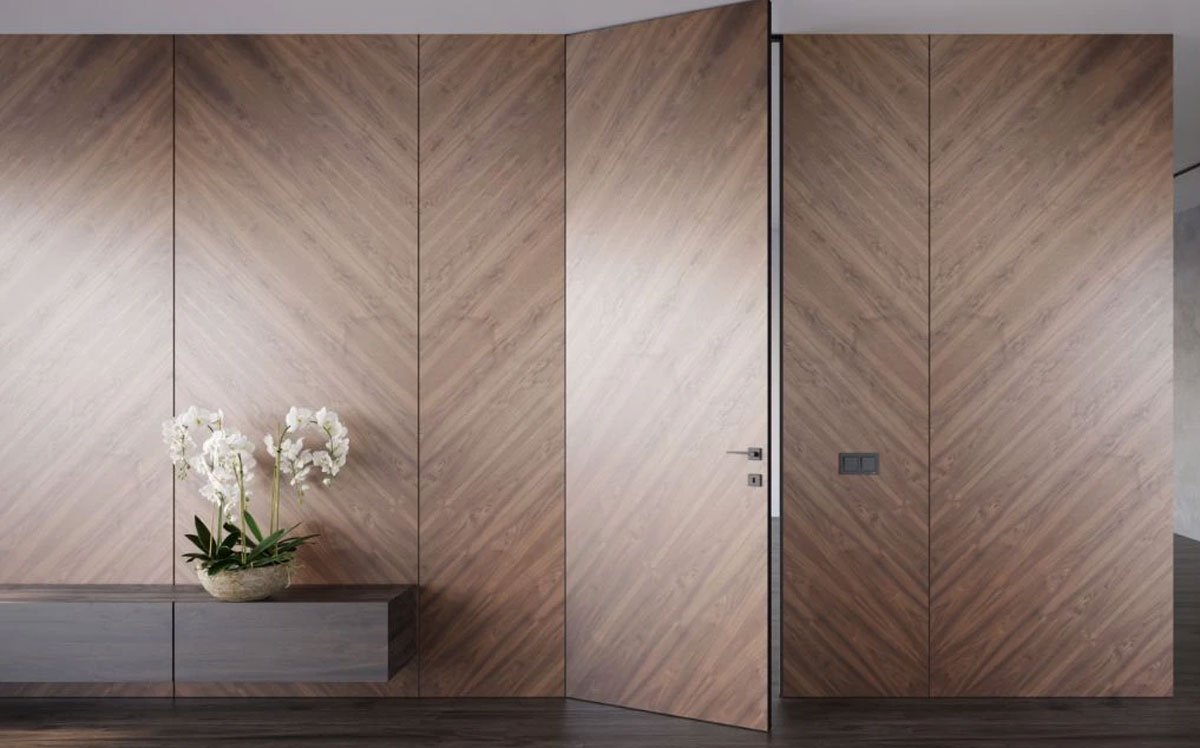
Interior wall panels are one of the fastest ways to make a space feel intentional—more like a designed interior and less like a painted box. They add depth, break up large flat walls, protect high-traffic areas, and help you build a consistent style across rooms (especially when wall finishes and doors are planned together). Door shop Triodoors positions wall panels as a finishing material for interior walls—and even notes they can be used to create a distinctive exterior look with paneling.
Why interior wall panels are trending again (and what they solve in real homes)
Wall panels aren’t just “decor.” In everyday life, they do practical work:
- They hide imperfections (old drywall patches, uneven surfaces, minor cracking) without endless skim coating.
- They protect walls in entryways, hallways, dining zones, kids’ rooms, and staircases—places where paint gets scuffed quickly.
- They create visual architecture: alignment lines, rhythm, and shadow that makes a room look more expensive than the budget suggests.
- They improve the feeling of cohesion when your doors, trims, and wall finish speak the same design language (same tone, same lines, same proportions).
A common misconception is that panels are only for classic interiors. In reality, modern systems can look clean and minimal—especially when paired with concealed or minimalist door solutions, where the wall surface stays visually calm and continuous.
Types of interior wall panels and finishes (what changes the look and the maintenance)
The “right” panel choice depends on the room’s lighting, how you use the space, and the feel you want—warm and natural, crisp and monochrome, or bold and architectural. Triodoors’ wall panels (https://triodoors.ca/wall-panels/) category highlights panels as a finishing solution, while the Astori wall panel options include different directions, such as veneered panels and fluted pre-painted designs.
Here are the most practical finish paths homeowners choose:
1) Veneered panels (warm, natural, timeless)
If you want a “quiet luxury” vibe—wood grain, soft texture, natural warmth—veneer is hard to beat. Triodoors describes Astori veneered wall panels as wood veneer over a base made of 12 mm moisture-resistant MDF.
That detail matters: it affects stability, how the panel feels, and how it handles normal indoor humidity shifts.
2) Pre-painted panels (clean, modern, easy to match)
Painted panels are ideal when you’re building a consistent interior palette—matching walls to doors, trims, cabinetry, or accent furniture. Fluted painted panels are especially popular because they add texture without visual clutter. Triodoors notes it manufactures custom pre-painted fluted wall panels (FORM and DRIVE) according to individual drawings, which helps if you need exact sizing or a specific layout.
3) Feature-paneling for statement zones
Even in small apartments, a single wall can carry the design: behind the sofa, around a TV zone, or as a headboard wall. Panels bring structure that wallpaper sometimes can’t—especially when you want straight lines and sharp geometry.
A quick way to choose without overthinking:
- If your room is dark or narrow, go lighter and smoother to avoid heaviness.
- If your room is bright and spacious, deeper tones and stronger texture can look premium.
- If the space is high-traffic, prioritize finishes that are easy to wipe and don’t show every fingerprint.
Planning and installation: the details that make panels look “custom”
Two people can buy similar panels and get completely different results. The difference is planning: lines, edges, and transitions.
Before installation, decide these four things early:
- Your alignment rule
Will the pattern be centered on the wall? Aligned to the door casing? Or aligned to the room’s main focal point (sofa/TV/bed)? Consistency is what reads as “designer.” - Where panels stop (and how)
A clean termination can be a slim trim, a shadow reveal, or a return into the corner. Random stops or last-minute cuts are the #1 reason paneling looks improvised. - Outlets, switches, and lighting
Don’t treat them as afterthoughts. Even a great panel layout can look “off” if outlets land awkwardly between grooves or frames. - How panels interact with doors
This is where interiors level up. If you coordinate panels with door finishes and systems, the whole wall plane feels intentional. Triodoors’ store catalog groups wall panels alongside interior doors and related systems, which supports a more cohesive approach when you’re planning a full interior update.
A short, practical checklist (keep it simple, no overdesign):
- Measure wall flatness and note bumps/voids before ordering.
- Plan your “first line” and confirm it with the installer (centerline or doorline).
- Choose one feature wall per room if you want a calm, modern look.
How to buy smarter: get the look you want without paying twice
The most expensive wall panels are the ones you have to redo. To avoid that, pick based on the room’s real conditions:
- Entryway / hallway: durable finish + easy cleaning.
- Living room: focus on proportion, symmetry, and the furniture layout.
- Bedroom: softer texture, calmer tones, fewer contrasts.
- Home office: warm veneer or structured fluting helps the room feel more “finished” on camera and in person.
When you’re ready to match wall finishes to doors and build a consistent interior concept, you can order at Triodoors.ca (https://triodoors.ca/) and treat panels as part of the whole system—not a last-minute décor add-on.


Leave a Reply