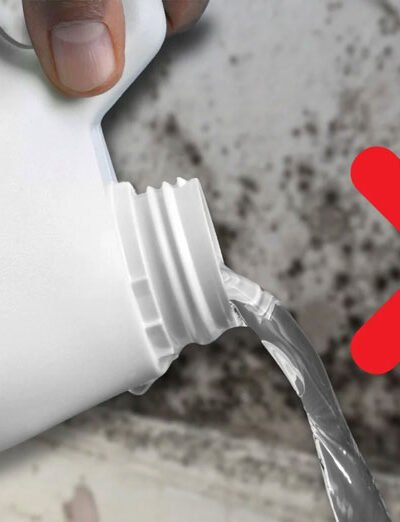
You might have mould problems in your home, particularly in a mouldy area. Quick fixes seem appealing, and bleach is often selected as a miracle cure. That said, using bleach to remove mould is not a permanent fix. Understanding the reasons for bleach failure and exploring alternative solutions can make every home a healthier place to live.
Understanding Mould Growth
Professional mould removal processes often address indoor air quality issues. Mould fungi thrive in continuously humid and airless environments. They’re usually in ideal situations in bathrooms, basements, and kitchens. Spores of mould float invisibly through the air and land on damp surfaces. Over time, detecting mould growth can also cause health problems and property damage. Effective control is based on solving the problems with the moisture source.
The Bleach Myth
The general assumption is that bleach kills fungi very thoroughly. The pungent odour and visible whitening effects give the impression of cleanliness. But bleach cleans the stains from the surface. The fungus typically lies dormant under permeable substrates, poised to reinstate when water returns. Bleach can also emit vapours, which are irritating to the eyes and lungs.
Why Bleach Falls Short
Bleach is a disinfectant because it contains sodium hypochlorite. Bleach is effective at killing some surface fungi (but only on non-porous materials)! But walls, grout, and wood soak up water and resist the chemical. The mould’s filaments, called hyphae, remain rooted inside. These roots grow back quickly, which is why the issue can recur within days to weeks.
Health and Safety Concerns
Bleach can cause respiratory problems when used indoors, especially in people with asthma or allergies. It may also trigger headaches or irritation from the fumes. Children and pets are more susceptible to these effects. Mixing it with other cleaning products, however, can create toxic fumes, which is a problem. Bleach is a harmless illusion of a solution that poses dangers without real advantages.
Mould Can’t be Cleaned
Most importantly, you should remove it properly, not just wipe away the spots. You must take the moisture issues seriously. Patch the leaks, improve the air circulation, and purchase dehumidifiers; these are essential in reducing the chances of a repeat. In some situations, it may also be necessary to dispose of highly contaminated materials like drywall or carpets. Surface cleaning is only a temporary solution without these steps.
Safer Alternatives to Bleach
Many products do a better job and are safe for results. Simply put, many strains are killed by white vinegar, as it can penetrate porous materials. A baking soda and water mix provides mild abrasiveness, aiding in removing residue without harmful fumes. Many industrial-based mould and mildew removers include spore-destroying compounds that can be more secure inside your home.
Prevention Is Better Than Cure
Regular housekeeping does wonders. Inspection of moisture-prone areas frequently helps catch issues early. Reduce the humidity by using exhaust fans in bathrooms and kitchens. A clean gutter system, which redirects water away from the foundation, provides limited opportunities for moisture to persist. Responding promptly to leaks and spills prevents the growth of fungus.
Seeking Professional Help
Only experts can handle a significant or long-standing problem. The specialists will enter the house equipped with equipment designed to detect moisture and invisible spores. They have protocols in place to ensure the safe removal of the contaminant and prevent it from spreading to other sections of the building. Without proper training, attempting to remove extensive mould growth can actually worsen the situation. It also includes guidance on how to prevent future epidemics and keep people safe in the long term.
Conclusion
Although bleach appears to be a quick remedy for moulding problems, it does not provide a long-term solution. They just cut down the tree, and the roots often remain and grow again. Fumes and incomplete removal pose potential health risks. Hence, there is a need for a better approach.
Humidity control, non-toxic cleaning agents, and specialists in extreme cases yield measurable results. A healthy home environment is built with informed action, not band-aids. Taking the appropriate actions to remove mould ensures lasting results, thereby preserving your integrity, property, and well-being.




Leave a Reply