 I. Introduction to the Peppercorn Plant
The peppercorn plant, scientifically known as Piper nigrum, is a remarkable flowering vine from the Piperaceae family. It’s the primary source of one of the world’s most beloved and ancient spices: pepper. This plant boasts a rich history, deeply woven into global trade routes and diverse culinary traditions.
Originating from India’s Malabar Coast, the peppercorn plant has been cultivated for thousands of years. Its dried berries, known as peppercorns, were once a highly valued commodity, often dubbed “black gold” for their immense economic and historical impact. Even today, pepper remains a kitchen essential worldwide, cherished for its pungent flavor and captivating aroma.
II. Ideal Growing Conditions for Peppercorn Plants
Cultivating a thriving peppercorn plant demands specific environmental conditions that mirror its tropical origins. Understanding these requirements is key to successful growth, whether you’re tending a home garden or managing a commercial farm.
A. Climate and Temperature Requirements
Peppercorn plants thrive in warm, humid climates, ideally maintaining temperatures between 55 and 90°F (13 to 32°C). They are quite sensitive to cold; growth will halt if temperatures dip below 50°F (10°C). Frost is particularly damaging and can quickly prove fatal to the plant.
Consistent warmth is crucial for the plant’s metabolic processes and the development of its fruit. In regions experiencing cooler seasons, indoor cultivation or protective measures become essential to ensure optimal temperatures are maintained.
B. Light and Humidity Needs
While peppercorn plants appreciate ample light, they prefer partial shade, especially during the peak heat of the day. Direct, intense sunlight can easily scorch their delicate leaves. An ideal spot would offer filtered sunlight or morning sun followed by afternoon shade.
High humidity, typically exceeding 50%, is another vital factor for these tropical vines. Regular misting, placing the plant near a humidifier, or cultivating it within a greenhouse can help meet this need, preventing leaf crisping and encouraging robust growth.
C. Soil Preferences and Drainage
The right soil mix is paramount for a healthy peppercorn plant. It flourishes in rich, well-draining soil that is slightly acidic to neutral, with a pH range of 5.5 to 7.0. A fertile potting mix enriched with organic compost provides the necessary nutrients and proper structure.
Excellent drainage is absolutely critical to prevent root rot, a common problem in waterlogged soils. Although the plant prefers consistently moist soil, it must never sit in standing water. Pots with adequate drainage holes and a loose, airy substrate are highly recommended for optimal health.
III. Planting and Propagation of Peppercorn Plants
Bringing a peppercorn plant into your home or garden can be a deeply rewarding experience. Knowing the correct methods for planting and propagation ensures your vine gets the best possible start.
A. Starting from Seed or Cuttings
Peppercorn plants can be grown from seeds, though this method can be slow and sometimes less reliable. For better germination, seeds should be fresh and soaked in water for 24 hours before planting. Sow them in a warm, bright location, keeping the temperature consistently between 75-80°F (23.5-26.5°C).
A more common and often more successful approach is propagation from cuttings. Healthy stem cuttings, ideally with a few nodes, can be rooted in a moist, well-draining medium. This method typically results in faster growth and earlier fruit production.
B. Potting and Support Structures
When potting a peppercorn plant, select a container that offers good drainage and sufficient space for root development. As a natural climbing vine, the peppercorn plant needs a sturdy support structure to thrive. A trellis, stake, or even a nearby tree can serve this purpose effectively.
Guiding the young vines to climb will promote vigorous growth and improved air circulation, which benefits the plant’s overall health and fruit yield. Regular observation and gentle training of the tendrils will help the plant establish itself firmly on its support.
IV. Essential Care Practices for Peppercorn Plants
Consistent and attentive care is fundamental to maintaining a healthy and productive peppercorn plant. Every aspect, from watering to pest control, plays a crucial role in its well-being.
A. Watering and Fertilization
Peppercorn plants prefer consistently moist soil, but it’s vital to avoid overwatering, which can quickly lead to root rot. Water thoroughly when the top inch of soil feels dry to the touch, ensuring any excess water drains away completely. In hot, dry conditions, you might need to water more frequently.
Regular fertilization during the growing season supports robust growth and fruit production. A balanced liquid fertilizer, applied every 2-4 weeks, can supply the necessary nutrients. Remember to reduce fertilization during the plant’s dormant period.
B. Pruning and Pest Management
Pruning helps maintain the plant’s desired shape, encourages bushier growth, and enhances air circulation, which can help prevent fungal diseases. Remove any dead, damaged, or overly crowded stems. Light pruning can also stimulate new growth and potentially increase your yield.
While generally resilient, peppercorn plants can sometimes fall victim to common pests like aphids, mealybugs, and spider mites. Regularly inspecting leaves and stems allows for early detection of infestations. Organic pest control methods, such as neem oil or insecticidal soap, are often effective and safe for the plant.
C. Harvesting Peppercorns
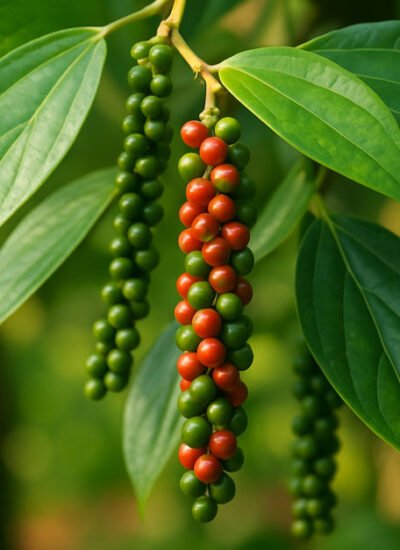
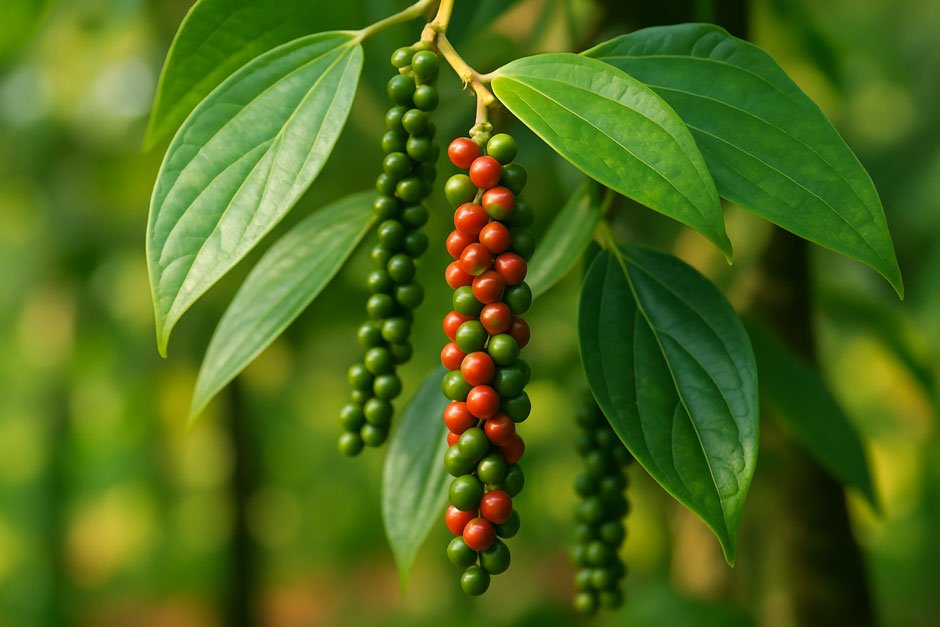
Peppercorns are typically ready for harvest when the berries begin to transition from green to a reddish-orange hue. The timing of this harvest directly influences the type of peppercorn produced. For black peppercorns, berries are picked when they are still green but fully mature, then dried, causing them to shrivel and turn black.
Green peppercorns are harvested earlier and preserved, often in brine or vinegar. White peppercorns are ripe berries that have had their outer skin removed after soaking. Red peppercorns are fully ripened berries, frequently preserved in brine. This labor-intensive harvesting process ultimately yields the distinct flavors of this incredibly versatile spice.
V. Types of Peppercorns: A Culinary Spectrum
The wide variety of peppercorns available in the market originates from different harvesting times and processing methods applied to the same Piper nigrum plant. Each type offers a unique flavor profile and distinct culinary applications.
A. Black, Green, White, and Red Peppercorns
Black peppercorns are the most widely recognized type. They are produced by harvesting unripe, green berries and then drying them. This drying process causes the outer layer to blacken and shrivel, intensifying their pungent and spicy flavor.
Green peppercorns are also unripe berries, but they are preserved before drying, often in brine or vinegar. This method helps them retain their fresh, milder flavor and vibrant color. They are less pungent than black peppercorns and are frequently featured in French and Thai cuisines.
White peppercorns are made from fully ripened berries. After harvesting, the outer dark skin is removed through a retting process (soaking in water), revealing the lighter inner core. This results in a milder, earthy flavor with less pungency, often preferred in lighter-colored dishes where black flecks would be undesirable.
Red peppercorns are the fully ripened berries left on the vine until they develop a deep red color. They are typically preserved in brine or carefully dried to maintain their hue and offer a sweeter, fruitier, and less spicy flavor than black peppercorns. It’s crucial to differentiate these from pink peppercorns, which come from an entirely different plant species.
B. Processing Methods
The processing methods for each peppercorn type are fundamental in developing their unique characteristics. For black peppercorns, sun-drying or mechanical drying initiates enzymatic reactions that create their signature flavor and color. Green peppercorns are often freeze-dried or preserved in liquid to halt these reactions and maintain their freshness.
White peppercorns undergo a retting process where the berries are soaked, allowing the outer pericarp to soften and be removed, followed by drying. Red peppercorns are meticulously dried or brined to preserve their delicate flavor and color. These diverse techniques highlight the remarkable ingenuity involved in transforming a single plant’s fruit into a spectrum of culinary delights.
VI. Health Benefits and Culinary Uses of Peppercorn Plants
Beyond its indispensable role as a flavor enhancer, the peppercorn plant and its fruit offer a range of potential health benefits and are incredibly versatile in global cuisine.
A. Nutritional Profile and Antioxidant Properties
Black pepper is far more than just a spice; it’s a source of several beneficial compounds. It contains piperine, the alkaloid responsible for its distinctive pungent taste, which also functions as a potent antioxidant. Antioxidants are crucial for combating free radicals in the body, thereby reducing oxidative stress and potentially lowering the risk of chronic diseases.
Furthermore, peppercorns provide essential minerals such as manganese, iron, and potassium, alongside vitamins K and C. Its comprehensive nutritional profile contributes to overall well-being, making it a valuable and easy addition to a healthy diet.
B. Digestive Aid and Anti-inflammatory Effects
Historically, black pepper has been valued as a digestive aid. Piperine stimulates the secretion of digestive enzymes, which can significantly improve the breakdown and absorption of food nutrients. It is also recognized for possessing anti-inflammatory properties, which may help alleviate symptoms associated with various inflammatory conditions.
Some research even suggests that piperine can enhance the bioavailability of other beneficial compounds, such as curcumin found in turmeric. This makes it a synergistic ingredient in both traditional medicine and modern nutritional supplements.
C. Versatility in Global Cuisine
Peppercorns are a foundational element in culinary traditions across the globe. From the robust, bold flavor of black pepper in savory dishes to the subtle, delicate notes of white pepper in refined sauces, its versatility is truly unmatched. It is used whole, freshly crushed, or finely ground to season an endless array of meats, vegetables, soups, and stews.
Green peppercorns introduce a fresh, piquant kick to creamy sauces and rich pâtés, while red peppercorns can offer a surprisingly sweet and fruity nuance to desserts and fruit-based dishes. The peppercorn’s remarkable ability to complement and elevate a wide spectrum of flavors firmly establishes its status as the “King of Spices” in kitchens worldwide.
VII. Conclusion
The peppercorn plant, Piper nigrum, stands as a powerful testament to nature’s capacity to provide both sustenance and profound sensory pleasure. From its humble beginnings on the Malabar Coast, this extraordinary vine has traversed continents, profoundly shaping culinary landscapes and influencing economies for countless millennia.
Its cultivation, while requiring specific tropical conditions, offers the deeply rewarding experience of harvesting one of the world’s most cherished spices. The transformation from a vibrant green berry into the distinct forms of black, green, white, and red peppercorns beautifully illustrates a fascinating interplay of natural processes and human ingenuity.
Beyond its indispensable role in the kitchen, the peppercorn plant contributes significant health benefits, largely thanks to compounds like piperine. Its antioxidant and digestive properties highlight its value far beyond mere flavor. For those with the suitable environment and a genuine passion for gardening, cultivating a peppercorn plant can be a truly enriching endeavor, forging a direct connection to a spice that has seasoned the very fabric of human history.




Leave a Reply