
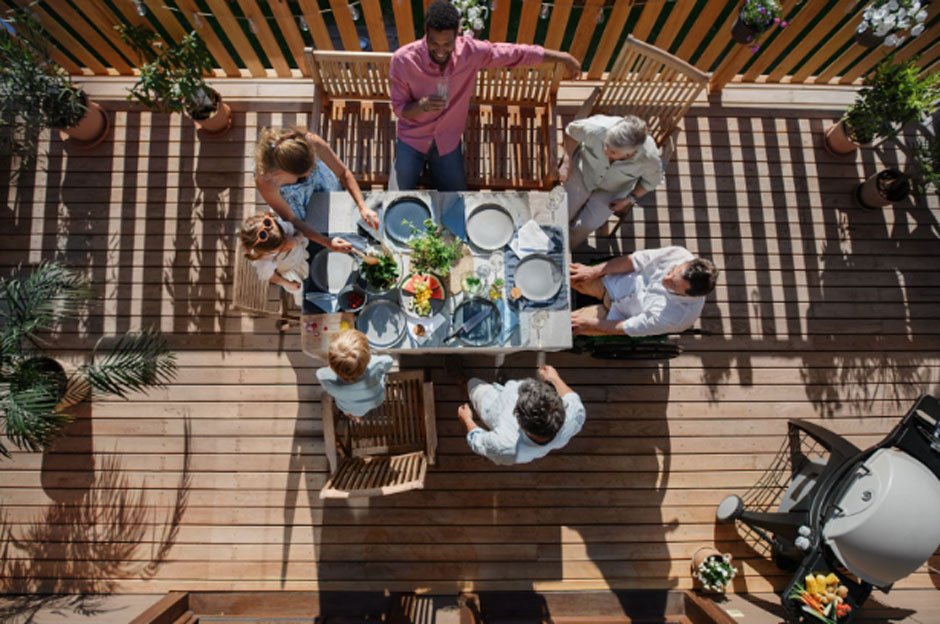
 A deck is more than just an outdoor space—it’s a place for family gatherings, quiet mornings, and summer barbecues. But when planning a new deck, today’s homeowners are asking a new question: How can I make my deck safe for both the environment and my loved ones?
The good news is that eco-friendly and family-friendly decks go hand in hand. By choosing the right materials, designs, and maintenance practices, you can create a space that’s durable, sustainable, and safe for everyone who uses it.
Why Eco-Friendly Decking Matters
Traditional wood decks often rely on chemical treatments and frequent sealing to prevent rot, insects, and moisture damage. While effective, these methods may release harmful chemicals into the environment and require constant upkeep. By contrast, sustainable decking materials like composite or PVC offer long-term durability with far less impact on the planet.
For homeowners, this means sustainable decking options that balance low maintenance with family safety, giving you peace of mind that your outdoor space is both green and worry-free.
Choosing the Right Materials
The foundation of an eco-friendly deck starts with the materials you choose. Here are some of the best options:
1. Composite Decking
Made from a mix of recycled plastics and wood fibers, composite decking is one of the most eco-conscious choices. It doesn’t require staining, sealing, or harsh chemical cleaners, reducing exposure to toxins while keeping maintenance simple.
2. PVC Decking
PVC is another durable option that resists moisture, mold, and pests. Since it requires little to no chemical treatment, it’s a safe and sustainable choice for family-friendly outdoor spaces.
3. Certified Sustainable Wood
If you prefer the look of natural wood, consider FSC-certified lumber. This ensures the wood is harvested responsibly, protecting forests and ecosystems.
Designing with Safety in Mind
Building an environmentally friendly deck is only half the goal—you also want it to be safe and functional for children, pets, and older family members.
- Railings and Barriers: Install sturdy, child-safe railings to prevent accidents.
- Slip-Resistant Surfaces: Choose decking materials with textured finishes to reduce slip hazards, especially in Washington’s rainy climate.
- Low-VOC Sealants: If using wood, select low-VOC (volatile organic compound) finishes to minimize chemical exposure.
- Proper Lighting: Add LED or solar-powered deck lighting for safety and energy efficiency.
Families often benefit from custom deck building solutions designed for both durability and eco-friendliness, which combine safety features with long-lasting materials.
Maintenance That Protects Your Family and the Planet
Even the most eco-friendly deck requires some level of care. Here’s how to keep yours safe and sustainable:
- Gentle Cleaners: Use biodegradable, non-toxic cleaners to remove dirt and mildew.
- Routine Inspections: Check for loose boards, unstable railings, or sharp edges that could cause accidents.
- Seal Responsibly: If sealing is needed, choose eco-friendly sealants with low or no chemical fumes.
- Prevent Water Damage: Ensure proper drainage around your deck to avoid mold growth and wood rot.
These practices extend the life of your deck while protecting the health of your family and the environment.
Final Thoughts
An eco-friendly, family-safe deck is possible with the right approach. From choosing sustainable materials to designing with safety features and maintaining it responsibly, you can create an outdoor space that reflects your values while keeping your loved ones safe.
By building responsibly, you’re not just creating a deck—you’re creating a healthier, more sustainable future for your family and your home.




Leave a Reply