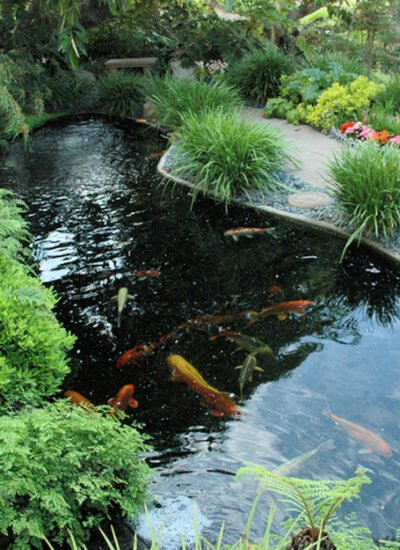
 Tending to a garden pond involves a lot of input, and one aspect of nurturing the system is effective algae control. Even when algae occur as part of the aquatic system, excessive growth affects the quality of the water, and this causes disruptions to the health of the fisheries dependent on certain waters. There is a strong need to explain the characteristics of algae and their relationship with the rate of diseased fish to the pond manager to facilitate a robust ALS development process.
Understanding the Algae-Fish Health Connection
Various living organisms do thrive on water through the aid of algae, which in turn form an important pyramid in an aquatic ecosystem. On a balanced level, algae act as a great oxygen source during the course of the day as well as a type of nutrient diet for other organisms. However, when nutrients reach an excessive and favorable state, large clusters of algae can overwhelm fish health since, across multiple mechanisms, it enhances their population yield, becoming a problem.
The Oxygen Paradox
One of the most deceptive aspects of algae blooms relates to oxygen dynamics in pond water. During daylight hours, algae produce oxygen through photosynthesis, sometimes creating supersaturated conditions that appear beneficial. However, this creates a dangerous illusion of water quality health. At night, the photosynthesis process stops, but algae continue to consume oxygen through respiration—a process that continues 24 hours a day.
In ponds with heavy algae blooms, this nighttime oxygen consumption can rapidly deplete dissolved oxygen levels, creating hypoxic (low oxygen) or even anoxic (no oxygen) conditions by early morning. Fish caught in these oxygen-depleted zones can experience severe stress or death. This danger becomes particularly acute during extended cloudy periods when reduced daylight limits oxygen production while consumption continues unabated.
pH Fluctuations
Beyond oxygen depletion, excessive algae growth causes dramatic swings in water pH levels. During active photosynthesis, algae remove carbon dioxide from the water, causing pH to rise, sometimes reaching dangerously alkaline levels above 9.0. These fluctuations force fish to continuously adapt to changing water chemistry, creating physiological stress that compromises immune function and makes them more susceptible to parasites and bacterial infections.
Toxin Production
Certain algae species, particularly blue-green algae (cyanobacteria), can produce potent toxins harmful to fish, pets, wildlife, and humans. These hepatotoxins and neurotoxins can accumulate in fish tissues, causing chronic health issues or acute poisoning. Fish exposed to these toxins may exhibit erratic swimming patterns, gasping at the surface, or unexplained mortality. Implementing proper algae control for ponds becomes not just an aesthetic concern but a critical health and safety measure.
Identifying Problem Algae in Garden Ponds
Good algae control techniques are all premised on knowing which species of algae are present in a given pond. There are three primary categories of organisms, and for each, there are different management approaches.
Filamentous Algae
Filamentous algae are often termed as “string algae”, “hair algae”, and sometimes “pond scum”, because they begin growing on the floor of the pond and later on become loose and rise to the surface in unattractive mats. In small quantities, they are quite useful as such areas are rich in micro-organisms and provide some fish with food. If the algae have overgrown, it is indicative of excess nutrient levels.
Different species exhibit varying appearances, from bright green silky strands (Spirogyra) to cotton-like masses (Pithophora). These floating mats can cover significant portions of the water surface, blocking light penetration and creating dangerous oxygen fluctuations beneath. As they decompose, they contribute further to the nutrient load, perpetuating the cycle of algae blooms.
Planktonic Algae
When pond owners complain of “pea soup” or green water conditions, they’re observing planktonic algae blooms. These microscopic, single-celled organisms float freely throughout the water column, turning the water various shades of green, yellow-green, or brown. Visibility reduced to less than 18 inches indicates potentially dangerous bloom conditions that require immediate intervention.
Planktonic blooms create particularly treacherous conditions for fish because their populations can crash suddenly when they exhaust available nutrients or when temperatures change rapidly. This mass die-off creates a surge in decomposition that quickly depletes oxygen, potentially resulting in catastrophic fish kills.
Macro-algae
Often mistaken for submerged aquatic plants, Chara and Nitella are actually forms of macro-algae lacking true roots. Chara (muskgrass) has a distinctive skunk-like odor and gritty texture due to calcium deposits on its surface, while Nitella has a smoother texture and lacks the characteristic smell. Though less likely to cause rapid oxygen fluctuations than other algae forms, excessive growth can still contribute to water quality problems.
Comprehensive Approaches to Algae Control for Fish Health
Pond management for fish health has been considered one way of tackling planktonic algae proliferation. More specifically, it combines the treatment of existing blooms with the prevention of further perilous growth.
Algaecides: Effective but Requiring Caution
Copper-containing algaecides, such as Cutrine Plus, continue to perform well in treating blooms involving excessive growth of algae. There are two target groups of algae which can be damaged by these chemicals: bottom-growing filamentous algae, which can be treated by granules or liquid, floating mats, and planktonic algae, which can be addressed by liquid algaecides.
However, algaecide application requires careful consideration of fish health. Treatment kills large quantities of algae simultaneously, and the subsequent decomposition consumes dissolved oxygen, potentially creating dangerous conditions for fish. For this reason, professionals recommend:
- Treating only one-third of the pond at a time, allowing 7-10 days between treatments
- Applying algaecides during morning hours when oxygen levels are rising
- Providing supplemental aeration during and after treatment
- Avoiding treatment during extremely hot weather when water already holds less oxygen
Alternative algaecides like GreenClean Pro use sodium carbonate peroxyhydrate, which breaks down into water and oxygen, potentially reducing oxygen depletion concerns while effectively addressing algae and cyanobacteria. This makes it particularly valuable for ponds with sensitive fish species or heavy algae infestations where decomposition oxygen demand could be problematic.
Nutrient Management: Addressing Root Causes
Fighting the root causes of any situation is always the best approach, Algal growth becomes excessive as a result of the nutrient availability within the water body. For example, Nitrogen and phosphorus, fertilizer wash off, decaying organic materials, and fish biowaste are the 3 major nutrients building blocks that provide the basis an alga needs during growth.
Beneficial bacteria treatments offer an effective biological approach to nutrient management. These specialized microbes compete with algae for available nutrients while breaking down organic matter that would otherwise contribute to the nutrient pool. Regular application establishes healthy bacterial colonies that continuously process excess nutrients, creating conditions less favorable for algae blooms while improving overall water quality for fish.
Light Limitation Strategies
Sunlight provides the energy algae need for photosynthesis and rapid growth. Pond dye products effectively block specific light wavelengths from penetrating the water column, limiting the photosynthetic capacity of algae cells while preserving visibility and aesthetic appeal. Blue and black dyes prove particularly effective for limiting light penetration while creating natural-looking water coloration.
For consistent protection, pond owners should maintain appropriate dye concentrations throughout the growing season, reapplying after heavy rains or water additions. When used preventatively before algae establishment, dyes can significantly reduce the need for reactive chemical treatments.
Circulation and Aeration: Critical Support Systems
Perhaps the most valuable long-term investment for fish health and algae control for ponds is properly designed aeration. Bottom diffuser systems create vertical water movement that:
- Maintains consistently higher dissolved oxygen levels throughout the water column
- Disrupts stratification that can trap nutrients in bottom waters
- Increases beneficial bacterial activity through improved oxygenation
- Creates water conditions less favorable for algae dominance
- Provides critical life support for fish during stressful periods
Surface aerators and fountains, while less efficient for complete circulation, provide additional oxygenation and aesthetic benefits. For optimal fish health protection, many pond managers implement both bottom diffusers for complete circulation and surface aerators for supplemental oxygenation during critical periods.
Strategic Implementation for Fish-Safe Algae Management
Formulating a fleeting algae control beside health sulfate care for ponds calls for a systematic approach to mixing aesthetic needs with fish needs. Engaging the following guidelines seeks to strike a balance with initial relief technology:
Immediate Response to Problematic Blooms
When faced with established algae blooms threatening fish health, implement these immediate measures:
- Increase aeration to maintain adequate dissolved oxygen levels
- Apply appropriate algaecides to the most problematic areas first, treating in sections
- Monitor dissolved oxygen levels closely, especially during early morning hours
- Remove floating mats manually where possible to reduce decomposition oxygen demand
- Be prepared to provide emergency aeration if oxygen levels drop dramatically
Preventative Mid-Term Strategy
Once immediate control is established, shift focus to preventing recurrence:
- Apply beneficial bacteria regularly to process excess nutrients
- Maintain appropriate pond dye concentrations to limit light penetration
- Reduce external nutrient inputs by establishing vegetative buffer zones around the pond
- Consider phosphate-binding products to lock up the most problematic nutrient
- Implement consistent aeration to maintain oxygen levels and disrupt algae growth
Conclusion
Whenever pond owners observe the terrible algae bloom in their garden ponds, it never fails to upset them. Various strategies targeted towards algae control in such a situation should be undertaken, the foremost being the protection of the fish. This ensures not only the preservation of the aesthetic components of ponds- underwater fauna, but also the health of the fish, which render these structures so vibrant and exciting.
Equally importantly, comprehending fish health and algae dynamics alongside each other enables pond owners to implement a set of sound interventions in order to maintain equilibrium and stability in the said ecosystems. This integrative approach goes beyond the mere treatment of the symptoms that are now appearing; it treats the root cause, aside from providing the essential safety measures for the fish.


Leave a Reply